
Leave Your Message
Choosing among China’s top Stone Crusher suppliers requires more than comparing prices on a product page. A reliable decision begins with your material, output target, feed size, and operating environment. Granite, limestone, and recycled concrete create different crushing demands. A machine suitable for a quarry may perform poorly in a construction waste plant. Details matter.
This guide examines ten established Chinese suppliers through practical purchasing factors. These include manufacturing experience, equipment range, quality control, technical support, spare parts availability, and export performance. We also consider jaw crushers, cone crushers, impact crushers, and complete crushing plants. Supplier credibility should be supported by factory records, clear specifications, inspection reports, and verifiable customer references. Photos alone are not enough. Ask for production data from similar applications.
Real conditions differ. A low quotation may hide transport costs, installation challenges, or long replacement intervals. A famous brand may still be unsuitable for a smaller project. This comparison therefore focuses on fit rather than popularity. It also recognizes an uncomfortable limitation: public supplier information can change, and some claims require independent verification. Buyers should confirm certifications, warranty terms, commissioning services, and after-sales response times before signing an order. Site visits or live video inspections can reveal workshop organization, component storage, and testing procedures. These small observations often predict future support. The right supplier is not simply the cheapest or largest. It is the partner whose equipment matches your feed material, budget, maintenance skills, and long-term production goals.
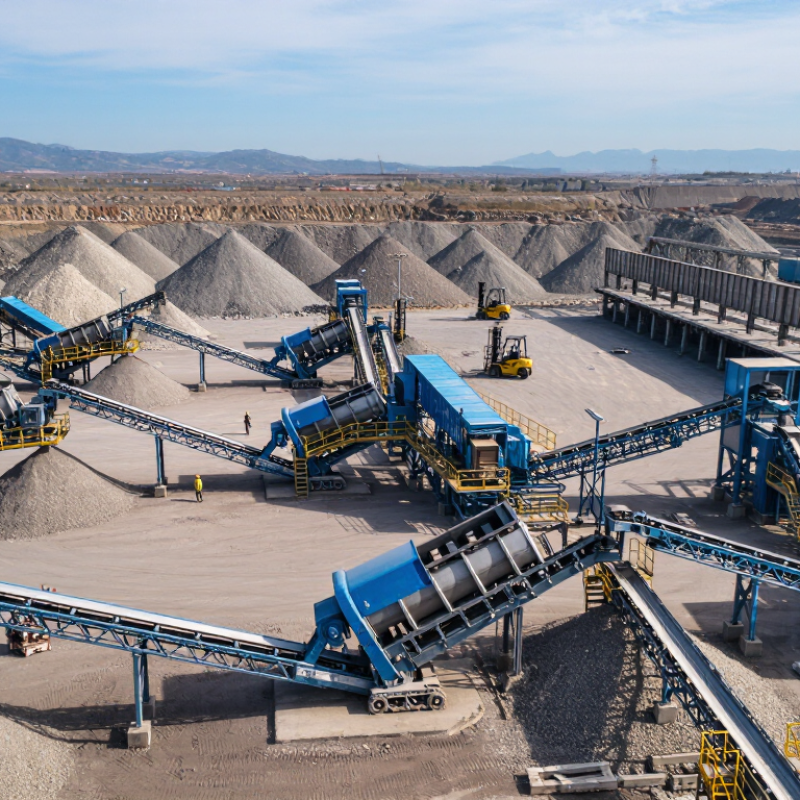
A reliable stone crusher supplier in China should prove more than a competitive price. Real experience appears in practical details: correct crusher selection, stable production data, and solutions for different stone hardness levels. Ask how the supplier tested similar materials. Request photographs, operating records, and clear capacity figures. Ask for proof.
Professional suppliers explain technical limits without hiding uncomfortable facts. A quoted capacity may change with moisture, feed size, and operator skill. That matters. Reliable engineers should discuss these variables before signing a contract. They should also provide drawings, electrical requirements, installation guidance, and a complete spare-parts list. Vague promises create expensive delays.
Authority is built through traceable evidence, not impressive language. Check factory records, inspection procedures, warranty terms, and customer references from comparable projects. Independent testing or an on-site inspection can reveal workmanship that brochures miss. Look closely at welds, wear-part thickness, dust-control arrangements, and emergency access. Details reveal more.
Trust also depends on communication after delivery. Confirm response times, remote support, training options, and the availability of replacement parts. A dependable supplier documents changes and accepts responsibility when a component fails. No supplier is perfect, and unexpected problems can occur. The important question is whether the team reports them honestly, investigates the cause, and improves the equipment instead of shifting blame.
Use this checklist to compare suppliers. The rows are evaluation criteria, not a ranked list of named companies; verify product claims and documentation directly with each supplier.
| No. | Evaluation area | What a reliable supplier should demonstrate | How to verify | Why it matters |
|---|---|---|---|---|
| 1 | Application and feed assessment | The supplier asks about feed material, maximum feed size, abrasiveness, moisture, target product sizes, and required throughput before recommending equipment. | Request a written process proposal based on your material data and operating conditions. | Crusher selection and performance depend on the material and the full process, not just the machine name. |
| 2 | Suitable crusher configuration | The proposed configuration explains the roles of primary, secondary, and, where needed, tertiary crushing, along with screening and conveying requirements. | Check the process flow diagram and ask why each machine is included. | A properly matched plant can help meet product specifications and avoid unnecessary equipment. |
| 3 | Capacity and performance basis | Capacity figures are tied to stated feed properties, feed size, discharge setting, and operating conditions rather than presented as a guaranteed figure without assumptions. | Ask for the conditions behind the quoted capacity and the method used to estimate it. | Actual throughput varies with material, settings, feed consistency, and plant layout. |
| 4 | Product size and shape | The supplier explains expected product fractions and how crusher settings, feed grading, and screening affect the final gradation and particle shape. | Compare the proposal with your required gradation and request representative test or operating data where available. | The right output specification depends on the intended use of the aggregate. |
| 5 | Wear parts and maintenance | The supplier identifies wear components, recommended inspection intervals, replacement procedures, and the information needed to order compatible parts. | Request a wear-parts list, maintenance schedule, and parts identification drawings. | Wear rate and maintenance needs vary with material abrasiveness and operating practice. |
| 6 | Manufacturing and quality control | The supplier can describe its inspection and testing steps and provide relevant quality-management documentation when requested. | Review current certificates and their scope; confirm issuing details with the certification body where appropriate. | A certificate should be checked for validity and scope; it does not by itself establish that a specific machine meets every project requirement. |
| 7 | Safety and technical documentation | The offer includes applicable operating and maintenance instructions, safety information, electrical requirements, and machine drawings. | Confirm the documents and safety features required for the destination market and project before ordering. | Regulatory and safety requirements differ by market and machine configuration. |
| 8 | Installation and commissioning support | The supplier defines the scope for installation guidance, commissioning, operator training, and any on-site or remote technical support. | Get the support scope, schedule, language, travel costs, and customer responsibilities in writing. | Clear responsibilities help reduce delays during plant start-up. |
| 9 | Warranty and after-sales service | Warranty duration, coverage, exclusions, claim process, and service response arrangements are stated clearly in the contract or warranty terms. | Read the complete written terms, including wear-part exclusions and shipping responsibilities. | Written terms are more useful than general assurances made during sales discussions. |
| 10 | References, delivery, and total cost | The supplier provides verifiable project references where available and itemizes equipment, spares, packing, shipping, commissioning, and payment terms. | Contact references with permission, confirm delivery terms, and compare the full scope rather than the machine price alone. | A like-for-like comparison should include logistics, service, spares, and the plant equipment needed to meet the target output. |