10 Best Secondary Crushers for Optimal Performance and Efficiency?
The role of the secondary crusher is crucial in modern crushing operations. According to a report by Research and Markets, the global market for these crushers is expected to grow significantly, driven by the increasing demand for crushed materials in various industries. Secondary crushers enhance the size reduction process, optimizing the efficiency of material handling.
With an array of options available, selecting the best secondary crusher can be a challenge. Factors such as material type, desired size, and operational capacity must be considered. The right choice can lead to improved productivity and reduced operational costs. For instance, impact crushers and cone crushers each have distinct advantages, making them suitable for different applications.
However, not all secondary crushers perform equally. Poor choices can lead to inadequate size reduction or increased wear and tear. This underlines the importance of precise selection based on specific project needs. Industry professionals must reflect on these aspects to ensure they maximize performance while maintaining cost-effectiveness. Without careful consideration, the benefits of secondary crushers may not be fully realized.
Types of Secondary Crushers and Their Operational Mechanisms
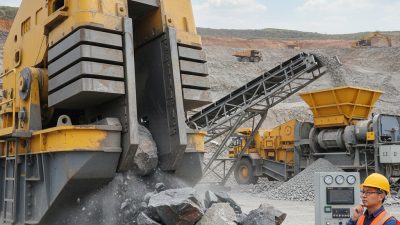
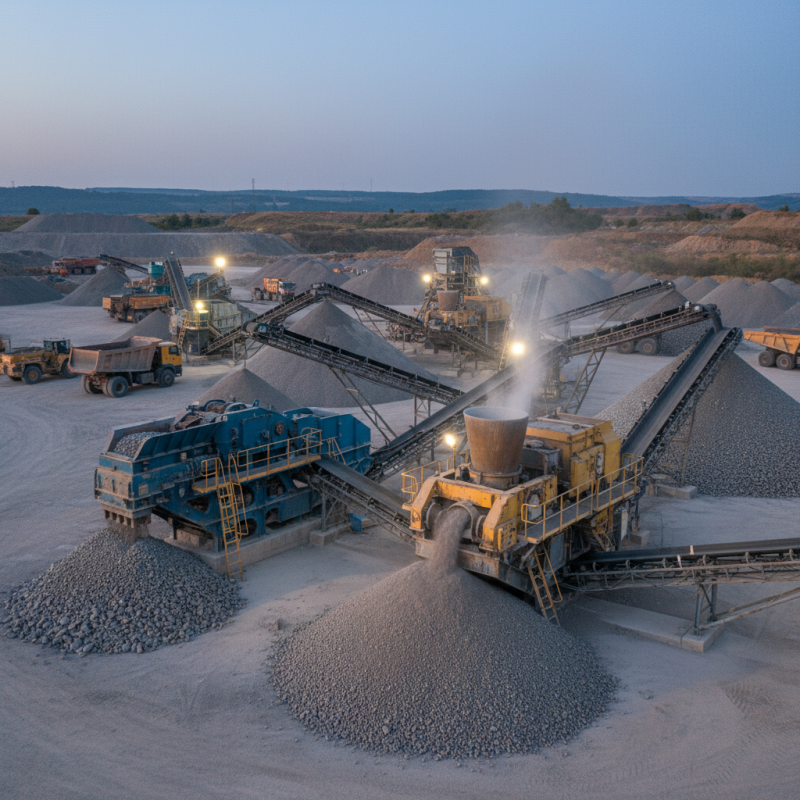
Secondary crushers play a crucial role in achieving optimal performance in material processing. They come in various types, each tailored for specific requirements. For instance, cone crushers and impact crushers are among the most commonly used secondary crushers. According to industry data, impact crushers can reduce material size by up to 80%, while cone crushers provide a uniform product shape.
One key operational mechanism is the reduction of larger materials into smaller, more manageable sizes. Cone crushers use a rotating cone within a fixed outer shell. This crushing process generates high pressure, which effectively breaks down materials. Impact crushers, on the other hand, utilize high-speed impact forces to shatter materials. This difference in mechanism affects the output size and shape, making it essential to choose the right type based on specific project needs.
**Tip:** When selecting a secondary crusher, consider the material type and desired particle size. Always refer to manufacturer specifications for optimal settings.
Another consideration is maintenance and wear rates. Some crushers require more frequent maintenance, impacting overall efficiency. Research suggests that operators should monitor wear parts closely and replace them timely to avoid reduced performance. Balancing these factors is essential for operational effectiveness.
**Tip:** Keeping a maintenance log can help in planning and minimizing downtime. This proactive approach can lead to better performance metrics.
10 Best Secondary Crushers for Optimal Performance and Efficiency
Key Factors Influencing Performance and Efficiency of Secondary Crushers
When discussing secondary crushers, several key factors influence their performance and efficiency. One prominent factor is the material characteristics being processed. The hardness, size, and moisture content of the input material can significantly affect crushing outcomes. A report from the Journal of Materials Processing Technology reveals that varying hardness levels impact the energy consumption and productivity of crushers by over 30%. This highlights the necessity for operators to understand the materials being processed to optimize performance.
Another critical aspect is the design and engineering of the crusher itself. The choice between different crusher types, such as impact or cone crushers, plays a vital role in efficiency. According to a study published by the International Journal of Mining Science and Technology, secondary crushers that utilize advanced technology can increase efficiency by up to 25%. The integration of features such as variable speed drives and improved chamber designs can enhance both throughput and product quality, ensuring that these machines meet the demands of modern processing requirements.
Maintenance practices also bear significant influence on the efficiency of secondary crushers. Regular inspections, timely part replacements, and proper lubrication systems can minimize downtime and maximize output. However, many operators still overlook these essential maintenance tasks. A survey by the Mining and Materials Association indicated that neglecting maintenance can lead to a 15% reduction in overall efficiency. By focusing on these areas, industry professionals can improve the performance of secondary crushers and achieve greater operational efficiencies.
Top 10 Secondary Crushers: Features, Benefits, and Specifications
When it comes to secondary crushers, performance and efficiency are paramount. These machines not only reduce material size but also enhance the overall processing workflow in various industries, particularly in mining and aggregate production. According to a recent industry report by the Mining Engineering Association, the right secondary crusher can improve throughput by up to 30%.
In selecting a secondary crusher, consider the material's characteristics. For example, harder materials may require a specific type of configuration to handle stress effectively. Often, the selection of a crusher hinges on its features, such as chamber design, reduction ratio, and material compatibility. A study from the International Journal of Mineral Processing highlighted that optimizing these factors could lead to a drastic reduction in operational downtime, sometimes by as much as 20%.
Tip: Regular maintenance can significantly extend the lifespan of your secondary crusher. Check for wear and tear, especially in the liners and bearings. Moreover, staying updated on technological advances can ensure your equipment performs at its peak.
Efficiency also relies on the specifications of the unit. Key metrics like power consumption, output size, and feed size affect overall productivity. Assessing these factors critically, using real-world data from producers, can inform better decision-making. Observe that not every configuration suits every scenario. Adjusting your setup might yield better results.
10 Best Secondary Crushers for Optimal Performance and Efficiency
| Model |
Capacity (tph) |
Max Feed Size (mm) |
Type |
Power (kW) |
| Model A |
150 |
100 |
Cone |
110 |
| Model B |
200 |
130 |
Impact |
150 |
| Model C |
180 |
90 |
Jaw |
130 |
| Model D |
220 |
120 |
Gyratory |
160 |
| Model E |
160 |
110 |
Roller |
140 |
| Model F |
190 |
95 |
Horizontal Shaft |
120 |
| Model G |
170 |
105 |
Cone |
130 |
| Model H |
210 |
125 |
Impact |
145 |
| Model I |
230 |
150 |
Jaw |
160 |
| Model J |
240 |
140 |
Gyratory |
175 |
Comparison of Cost-Effectiveness Among Leading Secondary Crusher Models
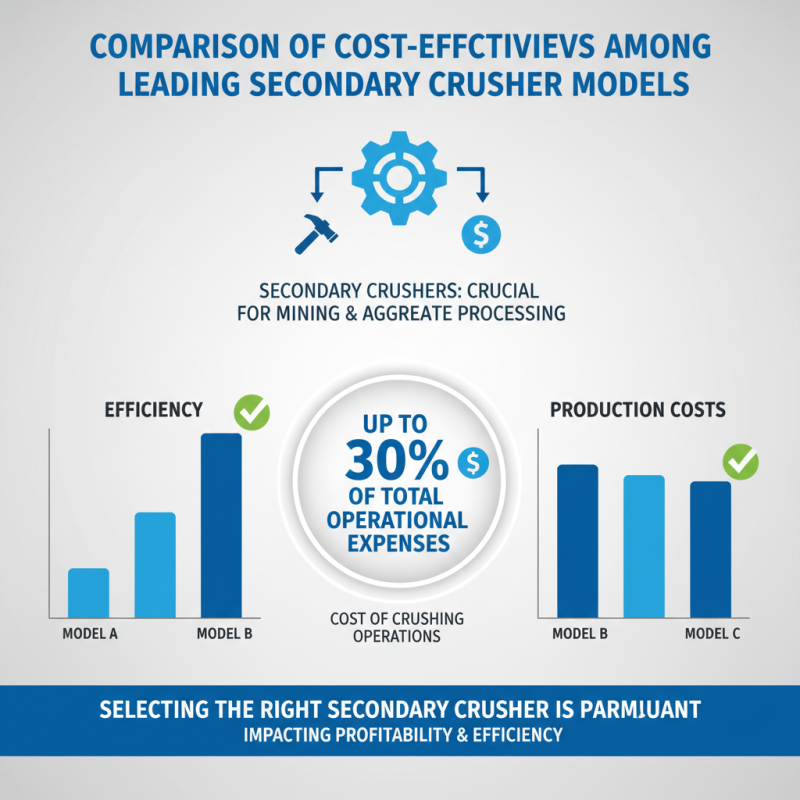
In the realm of mining and aggregate processing, secondary crushers play a crucial role. Their efficiency directly impacts production costs. A recent industry report indicated that the cost of crushing operations can represent up to 30% of total expenses. Therefore, selecting the right secondary crusher is paramount.
When comparing models, focus on their cost-effectiveness. Factors like energy consumption, maintenance costs, and throughput capacity matter greatly. For instance, some models may offer lower upfront costs but require frequent repairs. The total cost of ownership often reveals hidden expenses. An analysis showed that crushers with higher efficiency rates can reduce operating costs by as much as 20%.
Additionally, evaluating longevity and reliability is essential. Equipment lifespan can vary significantly among different machines. A trusted source highlighted that some models in the market only last a few years under heavy use. In contrast, robust designs can endure much longer. This durability can translate to better financial returns over time, making the initial investment more justifiable. These insights emphasize the importance of comprehensive evaluation before purchasing secondary crushers.
Maintenance Best Practices for Maximizing Secondary Crusher Lifespan
Maintaining secondary crushers is crucial for maximizing performance and lifespan. Regular inspections help identify wear and tear. Operators should check for any unusual vibrations or noise during operation. These could indicate underlying problems that need immediate attention.
Lubrication is essential. Proper lubrication reduces friction and prevents overheating. It's important to follow the manufacturer's guidelines for lubrication intervals. However, remember that too much lubricant can lead to issues as well. Balance is key here.
Another vital aspect is monitoring the feed material's size and consistency. Oversized or irregular materials can cause damage. Operators should adjust settings to accommodate varying material sizes. Documentation of maintenance activities also aids in identifying patterns and potential issues. This proactive approach can make a significant difference in extending the lifespan of secondary crushers.