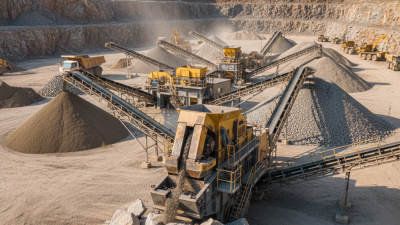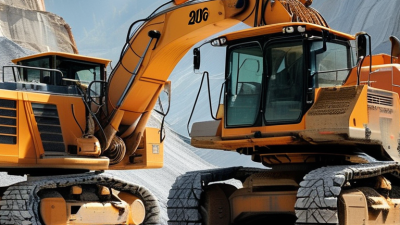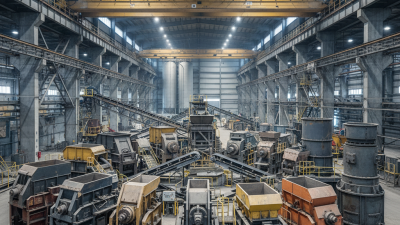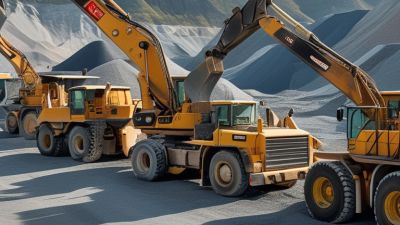
China has become a major sourcing base for global Crushing Equipment buyers. Its manufacturers supply jaw crushers, cone crushers, impact crushers, screens, and complete mobile plants. However, lower prices alone do not prove value.
Grand View Research estimated the global stone crushing equipment market at approximately USD 5.55 billion in 2022. The report also projected a compound annual growth rate of about 4.8% from 2023 to 2030. Market figures vary because research firms define equipment categories differently. That limitation deserves attention. A buyer should compare report methods before accepting any forecast.
Guillaume Boudard, President of Metso’s Aggregates business area, has emphasized the importance of evaluating the complete process: “The right solution starts with understanding the customer’s process.” This principle matters when assessing China’s top manufacturers. A reliable supplier should provide laboratory test results, hourly capacity data, wear-part estimates, and installation references. Factory visits can reveal details that brochures hide, including weld quality, bearing protection, electrical cabinet layout, and spare-parts storage. Ask for performance evidence from similar rock types. Granite is not limestone. Wet feed is not dry feed. These differences can change the final recommendation.
Reports from the International Energy Agency also show growing pressure to reduce industrial energy use and emissions. Efficient Crushing Equipment therefore needs more than a strong motor. It needs suitable chamber design, stable feed control, dust management, and practical maintenance access. Chinese suppliers offer impressive choices, yet quality is not uniform. Independent inspection remains sensible. So does a careful contract. A promising quotation is only the beginning.
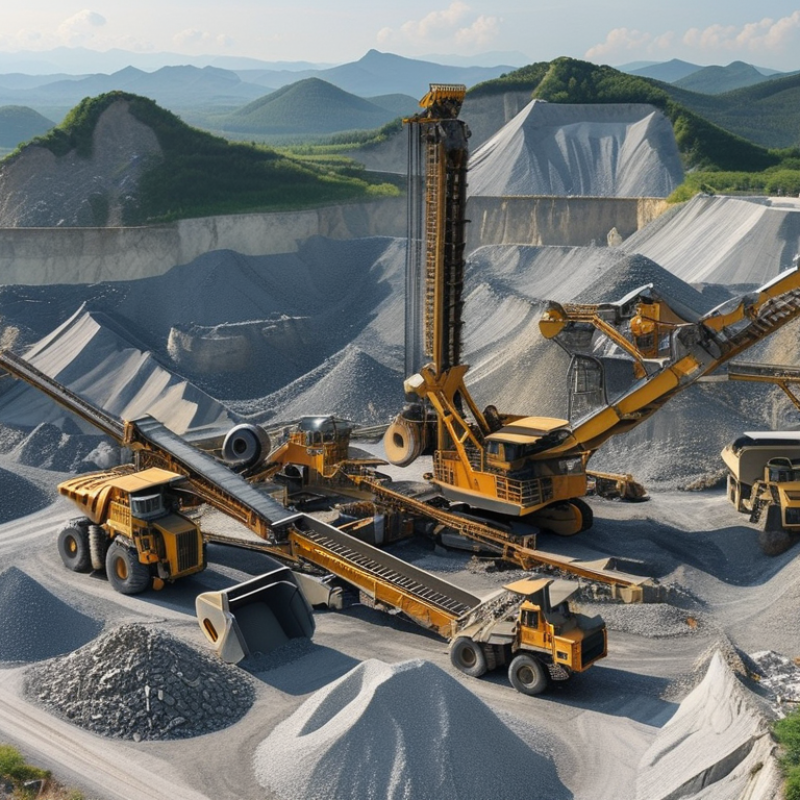
China’s crushing equipment manufacturing industry serves quarrying, mining, recycling, and infrastructure projects worldwide. Its strength comes from a broad industrial supply chain. Steel foundries, machining workshops, hydraulic specialists, and control-system integrators often work within the same production network. This structure can shorten lead times and support customized jaw crushers, cone crushers, impact crushers, and screening systems.
Factory capability still varies considerably. Experienced buyers should inspect material certificates, welding procedures, machining tolerances, and assembly records. A serious manufacturer can explain how it selects alloy steel for liners and how it measures rotor balance. Site visits provide useful evidence. Look for test-running areas, calibrated instruments, spare-part storage, and clear quality checkpoints. Factory acceptance testing should record vibration, temperature, noise, and output size under defined conditions.
Export experience matters as much as machine design. Reliable suppliers understand container loading, electrical standards, installation guidance, and documentation for different markets. They should also offer practical maintenance advice, including liner replacement intervals and lubrication schedules. Some companies provide strong engineering but weak communication after delivery. That gap deserves attention. Even experienced manufacturers may underestimate local stone characteristics or seasonal operating conditions. Buyers should share feed size, moisture, abrasiveness, capacity targets, and site constraints before requesting a quotation. A detailed technical discussion often reveals more than a polished catalog. Pricing alone can mislead procurement decisions.
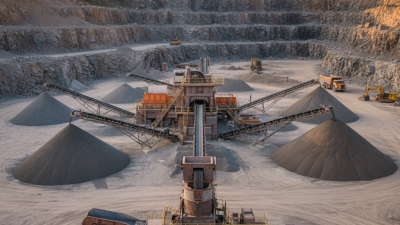
China's crushing equipment sector serves quarries, aggregate producers, mining operations, recycling facilities, and infrastructure projects worldwide. Its key product groups include jaw crushers, cone crushers, impact crushers, hammer crushers, and mobile crushing plants. Jaw crushers handle primary reduction of hard, bulky rock. Cone crushers provide controlled secondary or tertiary crushing, especially for abrasive materials. Impact crushers use high-speed rotor movement to produce more cubical aggregate. Hammer crushers suit softer feed, although wear can rise with hard stone. Mobile plants combine crushers, feeders, screens, and conveyors on a relocatable chassis.
Selection should begin with material tests, not catalog capacity alone. Engineers normally review feed size, moisture, abrasiveness, required output, and final particle shape. A vibrating feeder can stabilize flow and protect the primary crusher from sudden surges. Screens then separate finished sizes, while conveyors reduce repeated handling and dust-generating transfer points. For remote sites, buyers should check hydraulic systems, electrical standards, spare-part availability, and technical support response times. These details often decide uptime more than a headline specification.
Reliable Chinese production depends on documented testing, accurate machining, weld inspection, and clear maintenance procedures. Ask for test records, material certificates, performance data, and installation guidance. Inspectors should also verify guards, emergency stops, and safe access before commissioning. A low purchase price can mislead. Energy use, liner life, downtime, and transport costs shape the real operating budget. Fit varies by site. I would question any proposal promising maximum output without describing feed conditions. That omission may become an expensive lesson.
Evaluating Chinese crushing equipment manufacturers requires more than comparing online prices. A factory visit can reveal practical details: weld consistency, bearing storage, assembly space, and spare parts control. Ask for production records, material certificates, and inspection reports. Reliable manufacturers should explain these documents clearly, not avoid technical questions.
Request references from mines or aggregate plants with similar feed materials. A jaw crusher processing hard granite needs different design considerations than one handling limestone.
Review capacity under real operating conditions, not only laboratory figures. Check product size, power consumption, liner life, noise levels, and maintenance access. Arrange a video inspection of running equipment when travel is difficult. Watch the feed, discharge, vibration, and control panel.
A polished showroom proves little. I once underestimated the value of service response time. The machine performed well, but delayed drawings caused installation problems. Ask who handles commissioning, electrical integration, operator training, and warranty claims.
Confirm communication in writing, including delivery terms and acceptance standards. Independent testing can strengthen confidence, especially for large projects. Certifications may support credibility, but they should match the actual model and production site.
A factory may be experienced, yet still have weak documentation. That gap deserves attention. Look for stable engineering teams, traceable quality checks, and honest answers about limitations. The best evaluation often comes from small evidence: labeled components, clean hydraulic lines, and technicians who can explain why a design choice matters.
China Top Crushing Equipment Manufacturers for Global Buyers
Manufacturing standards shape the reliability of crushing equipment. Experienced factories follow documented procedures for design, welding, machining, assembly, and final testing. Buyers should ask for material certificates, inspection records, and clear production drawings. These documents reveal whether quality is controlled or simply promised. Critical parts need dimensional checks, hardness testing, and surface inspection. Welds should receive visual examination, with additional non-destructive testing when risk levels require it. A practical factory visit can show more than polished brochures. Look for clean assembly areas, labeled components, calibrated tools, and traceable records.
Tips: Request a factory acceptance test. Check certificate scope and expiry dates. Confirm that certifications cover the actual equipment, not only the company. Ask for spare-part drawings and maintenance instructions before signing. Small details matter.
Certifications such as ISO 9001 can demonstrate a structured quality system, but they cannot guarantee every machine is perfect. CE or other market-specific compliance may also apply, depending on the destination and equipment configuration. Independent inspection can verify performance, noise, safety guards, and electrical systems before shipment. I have found that honest suppliers welcome measurable acceptance criteria. Some factories still rely too heavily on final inspection, which is a weakness. Quality should begin with supplier selection and continue through packaging, installation support, and after-sales communication. Clear records make problems easier to solve. No certificate replaces careful verification.
The chart compares the number of valid certificates worldwide in 2023 for internationally recognized management-system standards commonly used to assess manufacturing quality, environmental performance, occupational safety, and energy management. Certification does not by itself guarantee equipment performance; buyers should also verify product testing, traceability, inspection records, and after-sales controls.
Source: ISO Survey of Management System Standard Certifications, 2023.
China’s crushing equipment sector serves a large and demanding international market. The USGS Mineral Commodity Summaries 2024 reported about 1.9 billion metric tons of crushed stone production in the United States during 2023. This scale shows why reliable procurement, stable output, and fast replacement support matter.
Global purchasing should begin with material tests, capacity targets, feed-size records, and site drawings. Export teams need to prepare packing lists, certificates, manuals, and country-specific compliance documents. The World Bank’s Logistics Performance Index 2023 shows that customs, tracking, and delivery reliability remain major supply-chain concerns. Clear shipment milestones reduce avoidable delays. Small details matter.
Installation support should include foundation checks, electrical reviews, commissioning, and operator training. Experienced technicians can identify vibration, uneven feeding, or excessive wear before these issues become expensive failures. After-sales service should provide spare-parts planning, remote troubleshooting, inspection schedules, and response-time commitments. The USGS data also reminds buyers that aggregate production operates at enormous volumes, so a short shutdown can create serious losses. A quotation is not a complete project plan. One weak point remains: some suppliers explain machine performance better than long-term maintenance. Buyers should request operating references, test records, warranty boundaries, and realistic service procedures before signing.