10 Essential Tips for Choosing the Best Mining Crusher for Your Project?
Choosing the right Mining Crusher for your project is a critical decision. It affects not only the efficiency of your operations but also the overall success of your project. With so many options available, it’s easy to feel overwhelmed.
A Mining Crusher is not just a piece of equipment; it is an investment in your production capacity. Understanding the different types of crushers will help guide your choice. Each crusher serves a unique purpose and is designed for specific materials.
Consider your project's scale and the type of materials you will be processing. Researching manufacturers is essential. Look for those with experience and a solid reputation in the industry. Sticking to reliable sources will ensure you make an informed choice. Reflecting on your needs and comparing features is crucial. Selecting a Mining Crusher requires thoughtful analysis. Mistakes can be costly. Take your time to weigh your options carefully.
Understanding the Different Types of Mining Crushers Available
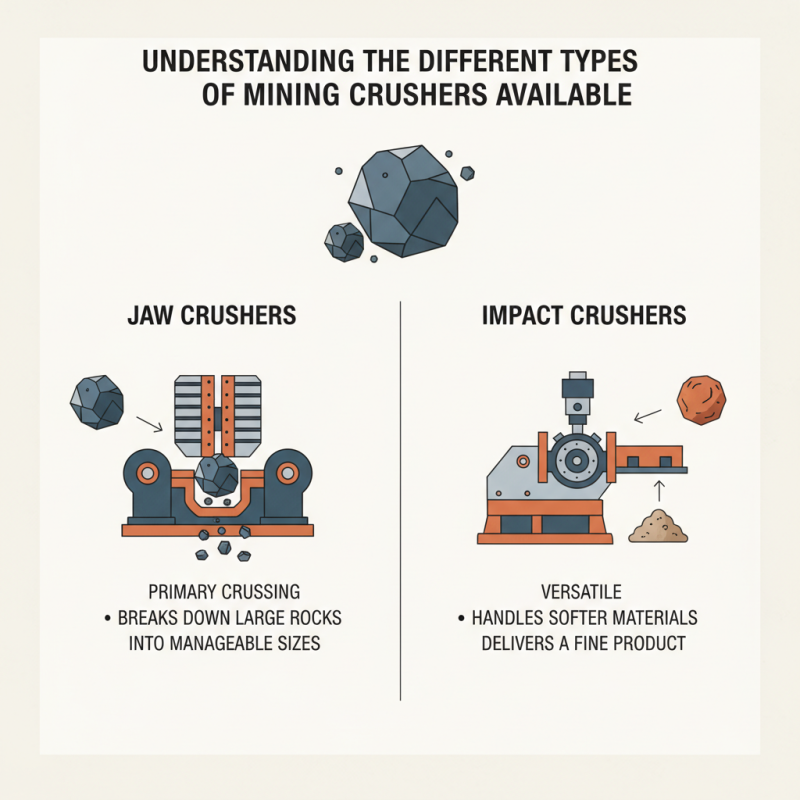
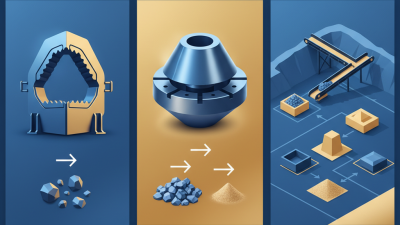
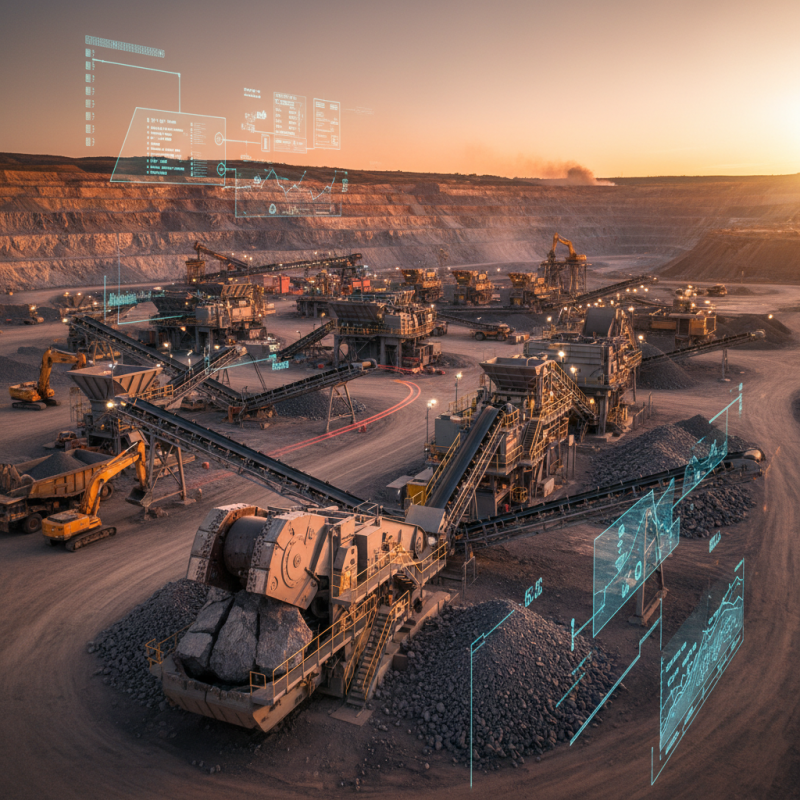
When selecting a mining crusher, understanding the various types available is crucial. Each type serves a distinct purpose and operates differently. For example, jaw crushers are excellent for primary crushing. They break down larger rocks into manageable sizes. Impact crushers are versatile and can handle softer materials, delivering a fine product.
Another important type is the cone crusher. It is particularly effective for secondary and tertiary crushing. This type crushes rocks between a rotating cone and a fixed outer surface. It is great for producing uniform-sized products. Additionally, you may encounter gyratory crushers, which break rock using a similar principle but are typically larger.
Consider the specific needs of your project carefully. The material you are processing, its hardness, and the desired final product all play a role in making the right choice. Ensure you have adequate knowledge of each option's capacity and efficiency. This will help you avoid future issues related to underperformance or maintenance costs. Be prepared to reflect on your choices, as the right mining crusher can significantly impact productivity.
Key Factors to Consider When Selecting a Mining Crusher for Your Project
When selecting the right mining crusher, several key factors deserve close attention. First, consider the material you will be processing. Different crushers are designed for specific materials. Understanding the hardness, abrasiveness, and moisture content of your materials is crucial. A mismatch can lead to inefficient operations and increased costs.
Another important factor is the desired output size. The crusher’s reduction ratio affects the size of the product. It’s essential to align this with your project’s requirements. Additionally, evaluate the operational capacity of the crusher. Will it meet your production demands without compromising performance?
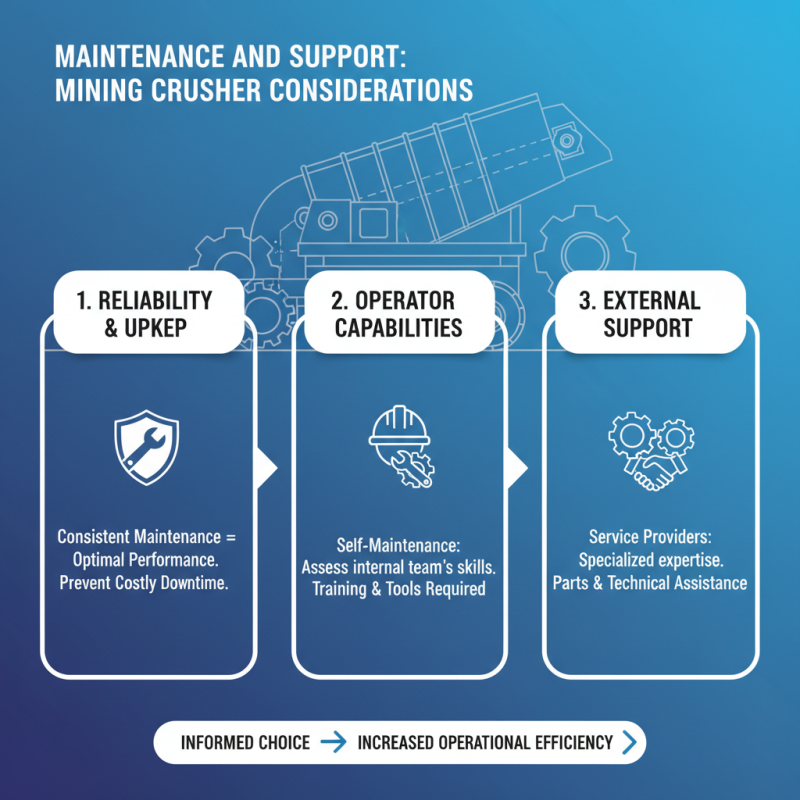
Also, think about maintenance and support. A reliable supplier should offer comprehensive support options. Frequent maintenance can minimize downtime and enhance productivity. Finally, pay attention to energy efficiency. Selecting a crusher that consumes less energy can lead to significant savings. However, be wary of claims. Not all products live up to expectations, so thorough research is vital.
10 Essential Tips for Choosing the Best Mining Crusher for Your Project
| Tip |
Description |
Key Consideration |
| 1. Assess Project Requirements |
Understand the specific requirements of your mining project, including material type and volume. |
Material properties |
| 2. Evaluate Crushing Capacity |
Select a crusher that can handle the anticipated production volume. |
Tons per hour |
| 3. Consider Material Hardness |
Choose a crusher suitable for the hardness of the materials you will be grinding. |
Material Mohs hardness |
| 4. Look for Energy Efficiency |
Select crushers that offer lower energy consumption to reduce operating costs. |
Power consumption |
| 5. Check Maintenance Requirements |
Understand the upkeep needed to keep the equipment in working condition. |
Maintenance frequency |
| 6. Analyze Crusher Dimensions |
Ensure the crusher fits within your site’s space limitations. |
Space constraints |
| 7. Review Safety Features |
Prioritize models with adequate safety mechanisms to protect operators. |
Safety standards |
| 8. Assess Portability |
Consider whether a mobile or stationary crusher is more suitable for your needs. |
Mobility requirement |
| 9. Evaluate Cost-Effectiveness |
Determine the initial investment against long-term operational costs. |
Total cost of ownership |
| 10. Seek Expert Advice |
Consult with industry professionals to get insights on suitable equipment. |
Expert consultations |
Evaluating the Size and Capacity Requirements for Your Mining Crusher
When selecting a mining crusher, size and capacity are critical factors. Understanding the materials you'll be crushing is essential. Different materials have varying densities and hardness levels. Ensure your chosen crusher can handle the expected workload without compromising efficiency.
Capacity plays a significant role in your project's success. Analyze your production requirements carefully. If your project demands a high output, select a crusher with appropriate capacity. Oversized equipment can lead to unnecessary costs. Conversely, too small a unit may hinder operations.
It's vital to consult with experts in the field. They can provide insights based on years of experience. Local conditions, terrain, and material types can greatly influence your decision. Don't overlook these factors, as they might impact the crusher's performance. Balancing technical specifications with practical needs will help you choose wisely.
Assessing the Material Composition for Optimal Crusher Efficiency
When selecting a mining crusher, understanding the material composition is key. The type of materials you intend to crush significantly affects your choice of crusher. Features like hardness, size, and moisture content should be assessed beforehand. Hard materials like granite require a robust crusher. Likewise, softer materials like limestone need different handling.
Moisture content can complicate the crushing process. If the material is too wet, it can clump together. This can lead to poor efficiency and increased energy costs. It's important to test the moisture level. Conducting these tests will provide insight into potential challenges.
Not all crushers handle all materials equally. Some are designed for high efficiency and durability. Others may struggle with specific compositions. This evaluation phase is not always straightforward. It requires careful consideration and sometimes trial and error. Equip your project with knowledge and insights on material properties to ensure optimal efficiency.
Material Composition Analysis for Mining Crushers