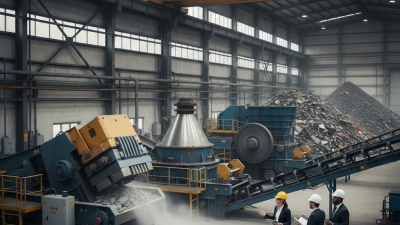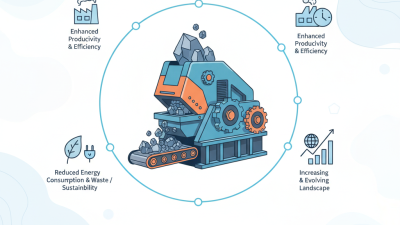
Crushing machines play a pivotal role in various industries, from construction to mining. According to a report by Grand View Research, the global crushing equipment market is projected to reach $4.8 billion by 2025. This growth underscores the importance of understanding different types of crushing machines available today.
The performance of a crushing machine significantly impacts efficiency and productivity. Innovating designs lead to better output while reducing operational costs. However, selecting the right type can be challenging, given the numerous factors to consider. These include material type, desired grain size, and operational scale.
In this article, we explore the top 10 crushing machine types you need to know. Each type presents unique advantages that can influence your choice. Understanding these machines fosters informed decisions and enhances operational effectiveness. As we delve deeper, we'll reflect on their applications and how they can optimize processes in your industry.
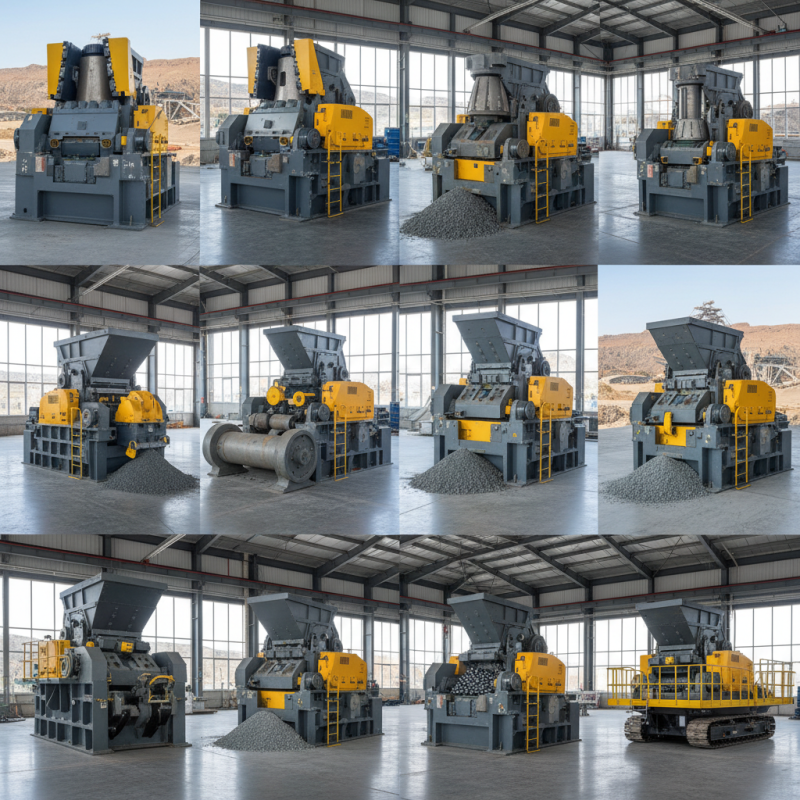
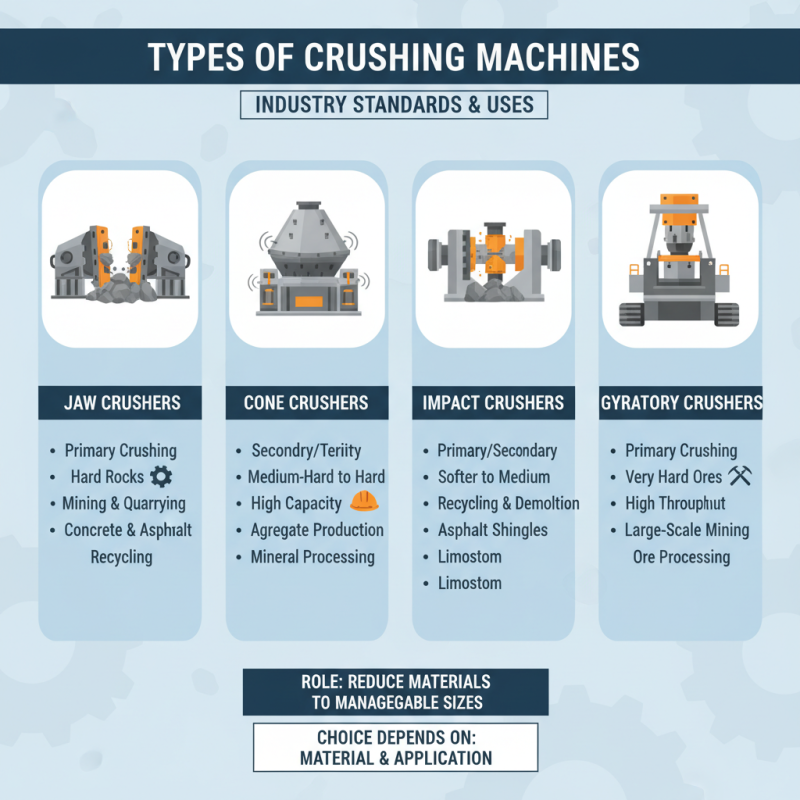
Crushing machines play a vital role in various industries, especially in mining and construction. These machines help in reducing raw materials to manageable sizes. The types of crushing equipment vary based on their applications and the materials being processed. Understanding these types is crucial for selecting the right machine for specific tasks.
Jaw crushers are commonly used for primary crushing. They can handle big rocks and are known for their durability. Cone crushers follow closely with their ability to produce finely crushed materials. Impact crushers offer versatility and are effective for softer materials. Each type has its strengths and weaknesses. Selecting the wrong type can lead to inefficiencies and increased costs.
It's important to recognize that no machine is perfect. Factors like maintenance and operator skills significantly affect performance. Over time, wear and tear can impact efficiency. Regular assessments are essential for ensuring machines operate optimally. Understanding industry standards and choosing the right machine is not just about the initial selection; it involves ongoing evaluation and adjustment. This commitment to detail can make a considerable difference in operational success.
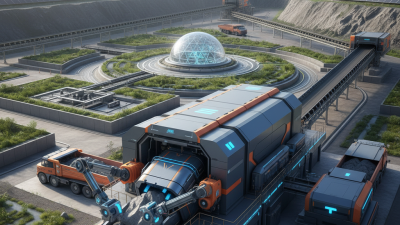
Jaw crushers are essential in the mining and construction sectors. Their distinct design allows for efficient crushing of various materials. According to a report from Grand View Research, the global jaw crusher market was valued at $1.57 billion in 2021 and is expected to grow. These machines can break down hard rocks and minerals, making them crucial for resource extraction.
One key feature is their adjustable jaw opening. This allows operators to change the size of the output, catering to different project requirements. Another important aspect is their durability. With proper maintenance, jaw crushers can last several years, providing reliability in demanding environments. However, it's critical to recognize that oversizing can lead to inefficiency and increased operational costs.
Tips: Regularly check for wear on the jaw plates. This ensures optimal performance and avoids sudden breakdowns. Additionally, invest in quality training for your team. A well-trained operator can maximize equipment utilization and minimize risks.
Jaw crushers also play a role in recycling applications. Demolition projects often produce mixed materials that require sorting and crushing. This not only saves space in landfills but also helps recover valuable resources. Yet, one must be cautious of contamination, as inferior materials can lead to equipment damage and affect output quality.
Impact crushers are renowned for their efficiency and versatility in aggregate processing. These machines utilize a high-speed rotor with hammers to crush materials against a stationary surface. This design allows for the effective reduction of various types of aggregates, from limestone to granite. The result is a finely crushed product suitable for various applications. Notably, the ability to adjust the crushing angle also allows users to achieve different sizes and shapes of aggregates.
When choosing an impact crusher, consider the material types you will process. It’s essential to evaluate the hardness and size of your input materials. Selecting the right specifications will directly affect the efficiency of your operation. Avoid under-sizing your equipment, as it can lead to maintenance issues and increased downtime.
Here are some tips for optimizing your impact crusher's operation:
- Regularly inspect and maintain wear parts to ensure peak performance.
- Monitor the feed rate closely to prevent overloading, which can impact the machine's efficiency.
- Keep the crushing chamber clean to reduce the risk of contamination and ensure uniformity in the output product.
Small adjustments can lead to significant improvements. Reflect on your operational strategies frequently. Efficiency is key to a successful aggregate processing operation.
Cone crushers are essential in various mining and aggregate production processes. They excel in reducing large rocks into smaller, manageable sizes. Often, they are the best choice for secondary and tertiary crushing. Their ability to produce a consistent product size makes them a favorite among operators in many industries.
Performance metrics are critical when utilizing cone crushers. Key factors include throughput, discharge settings, and reduction ratio. Proper adjustment of these parameters can lead to optimal efficiency. It's important to monitor wear parts as they affect performance. Neglecting maintenance can lead to diminished output and increased costs over time.
Usage scenarios vary; cone crushers thrive in hard rock applications. They effectively handle materials like granite and basalt. However, they may underperform with softer materials. Understanding these limitations is crucial. Operators should assess the material types they frequently encounter to make informed decisions on equipment selection.
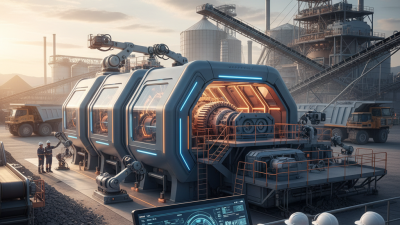
Mobile crushing plants have revolutionized the construction and mining industries. These machines offer unmatched flexibility and efficiency. According to a recent industry report, the global mobile crushing plant market is expected to reach USD 5 billion by 2027, growing at a CAGR of 6.8%. Such growth highlights the increasing demand for mobility and adaptability in material processing.
One of the main advantages of mobile crushing plants is their ability to operate on-site. This minimizes transportation costs and time. Advanced innovations, like remote control capabilities and AI integration, enhance operational efficiency. Operators can monitor real-time performance metrics, leading to smarter decision-making. Despite these advances, some challenges remain, such as maintenance and technical training.
Tip: Regular maintenance checks are crucial for ensuring optimal performance. Operators should schedule routine inspections to identify potential issues early on.
Additionally, the environmental impact of mobile crushing plants is a critical consideration. These machines typically produce lower emissions compared to stationary plants. However, deploying mobile units might still lead to localized pollution. It’s essential to balance productivity with environmental stewardship to maintain sustainable practices.
Tip: Implementing eco-friendly technologies can significantly reduce the environmental footprint.
| Machine Type | Ideal Application | Capacity (tons/hour) | Advantages |
|---|---|---|---|
| Jaw Crusher | Rock and ore crushing | 50-800 | High efficiency, strong crushing ability |
| Cone Crusher | Secondary and tertiary crushing | 40-600 | Excellent particle shape, high output |
| Impact Crusher | Concrete and asphalt recycling | 30-500 | Low operating costs, versatile |
| Mobile Crusher | On-site rock crushing | 20-400 | Flexible and portable, low transport costs |
| Hammer Mill | Material size reduction | 10-100 | Simple design, cost-effective |
| Roll Crusher | Grinding and crushing | 20-300 | Low maintenance, uniform particle size |
| Gyratory Crusher | Primary crushing | 100-12000 | High capacity, robust design |
| Vertical Shaft Impact Crusher | Sand making and shaping | 30-400 | High sand quality, efficient energy usage |
| Earth Moving Equipment | Excavation and material handling | Variable | Versatile, range of applications |
| Shredder | Bulk material reduction | 10-200 | High durability, effective in waste management |