How to Choose the Right Crushing Equipment for Your Project?
Choosing the right Crushing Equipment is essential for any project's success. The selection process can be daunting, given the variety of options available. Different projects have unique requirements, and understanding these can greatly affect efficiency and outcomes.
Crushing Equipment plays a crucial role in the mining and construction industries. It is vital to assess the material type, size, and desired end product. Each equipment type offers specific advantages and limitations. Ignoring these factors can lead to operational setbacks and increased costs.
Decisions made without proper analysis may result in unsuitable equipment choices. This could compromise productivity and safety. Therefore, taking the time to evaluate all options is critical. Collaborating with industry experts can enhance your decision-making process. Their insights can help identify the most effective solutions tailored to your project's needs.
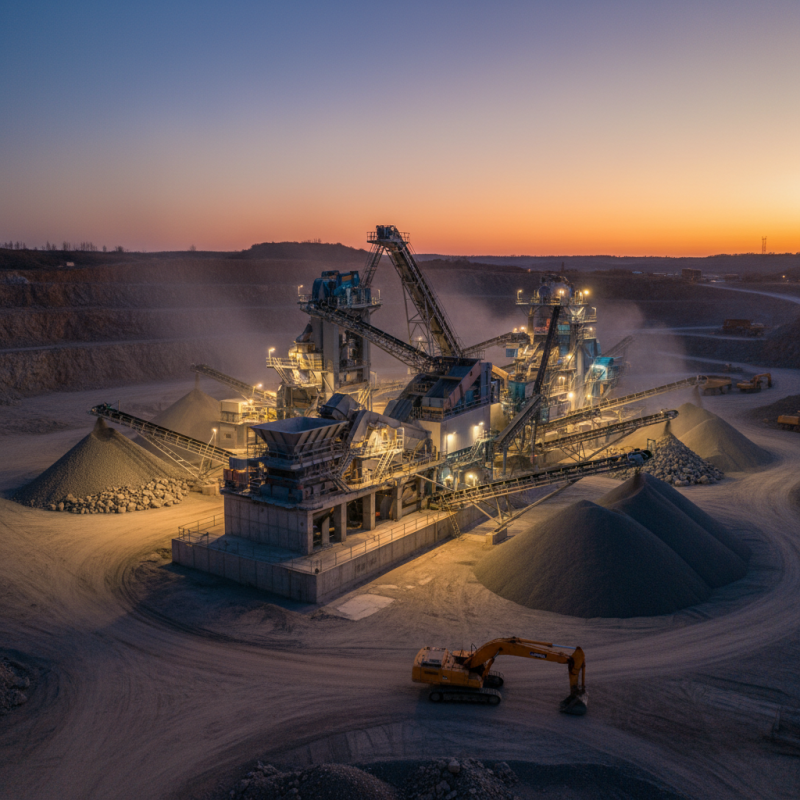
Understanding Different Types of Crushing Equipment Available in the Market
When selecting the right crushing equipment, it's crucial to understand the various types available. Jaw crushers are ideal for primary crushing tasks. They efficiently break down large rocks into manageable sizes. According to industry reports, jaw crushers can achieve reduction ratios of up to 6:1. These data indicate their efficiency in mining and construction projects.
Cone crushers serve a different purpose. They are great for secondary and tertiary crushing. They produce finer aggregates and are more efficient in handling hard materials. Notably, recent studies show that cone crushers can reach reduction ratios exceeding 10:1, making them vital for producing high-quality sand and gravel.
Impact crushers are also significant in the market. They are suitable for softer materials and provide excellent shape retention. The environmental impact is a concern, as some reports highlight dust and noise pollution issues. Careful monitoring and maintenance are essential. Each type of equipment has advantages and drawbacks, underscoring the need for thorough evaluation before making a choice.
How to Choose the Right Crushing Equipment for Your Project?
| Equipment Type |
Application |
Material Compatibility |
Throughput (Tons/Hour) |
Maintenance Level |
| Jaw Crusher |
Primary Crushing |
Hard Rock, Ore |
50-800 |
Low |
| Cone Crusher |
Secondary & Tertiary Crushing |
Granite, Basalt |
30-1000 |
Medium |
| Impact Crusher |
Sand Production, Recycling |
Concrete, Asphalt |
50-800 |
Medium |
| Hammer Mill |
Material Size Reduction |
Soft Materials |
10-100 |
High |
| Gyratory Crusher |
Primary Crushing |
Various Ores |
200-5000 |
Medium |
Evaluating the Specific Requirements of Your Project and Material
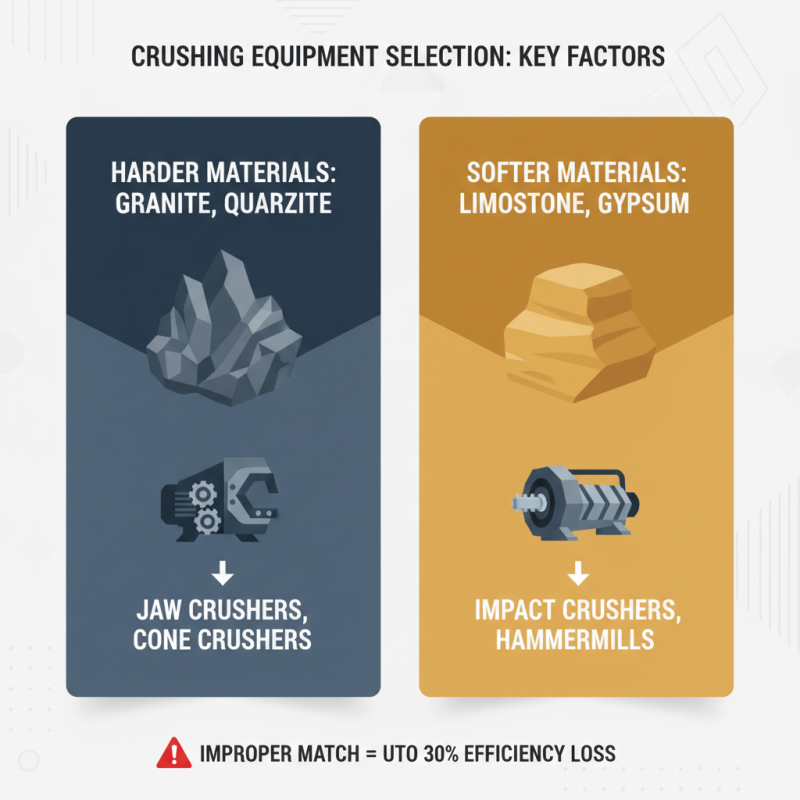
Choosing the right crushing equipment requires careful consideration of your project's specific needs. Different materials demand different handling approaches. For instance, harder rocks might need jaw crushers, while softer materials may benefit from impact crushers. Identifying the hardness, size, and volume of your material is crucial in making the right choice.
Tips: Assess the required output size and capacity. This impacts the type of equipment you will need. Calculate your project's expected production rates. Often, underestimating needs can lead to costly delays.
Another factor to consider is the operational environment. Is your site rugged or highly controlled? The durability of the equipment is essential. If your site features extreme weather or harsh conditions, opt for robust machines designed to withstand these factors.
Reflect on maintenance needs too. Some machines require more upkeep, which can affect the overall project cost. A thorough understanding of your project’s environment and material will enhance your decision-making.
Key Factors to Consider When Selecting Crushing Equipment
When selecting crushing equipment, several key factors demand careful consideration. The type of material being processed is paramount. Harder materials like granite require different machinery compared to softer materials such as limestone. According to industry data from the Mining and Quarrying sector, improperly matched equipment can lead to a decrease of up to 30% in efficiency.
Another critical element is the desired production capacity. Projects might range from small-scale operations to large industrial plants. For instance, a study by the Aggregates Association indicates that choosing equipment capable of 100 tons per hour for a 50-ton requirement can lead to increased operational costs and excessive wear and tear on machinery.
Maintenance and support should not be overlooked. Enterprises often rely on timely repairs and parts availability. Many facilities report extended downtimes due to lack of proper service. In fact, data from equipment audits show that 15% of production loss stems from unscheduled maintenance. Therefore, integrating reliability into the decision-making process is essential to sustain productivity in any project.
Analyzing Performance Metrics of Crushing Equipment
When selecting crushing equipment for your project, understanding performance metrics is crucial. Metrics like throughput, reduction ratio, and energy consumption provide insight into how well a machine will perform. A higher throughput means more material processed in less time, making your project more efficient. Meanwhile, the reduction ratio indicates the size reduction capabilities, essential for meeting your specifications.
Tips: Consider your material characteristics. Different materials may require different types of crushers to achieve optimal performance. For example, softer materials may need less powerful equipment, whereas hard materials require robust machines. Next, energy consumption efficiency should be evaluated. This can significantly impact your operational costs over time.
Performance metrics also help assess maintenance needs. Equipment requiring frequent repairs may not be the best choice. Analyze the lifecycle and parts availability to prevent operational delays. Often, overlooked metrics can reveal long-term implications for productivity. Ignoring these aspects could lead to costly decisions. Recognizing the importance of detailed analysis will contribute to refined selection of crushing equipment.
Performance Comparison of Crushing Equipment
This chart displays the performance metrics for different types of crushing equipment based on throughput, efficiency, and cost-effectiveness. Selecting the right crushing equipment is crucial for optimizing overall project performance.
Budgeting and Cost Considerations for Crushing Equipment Selection
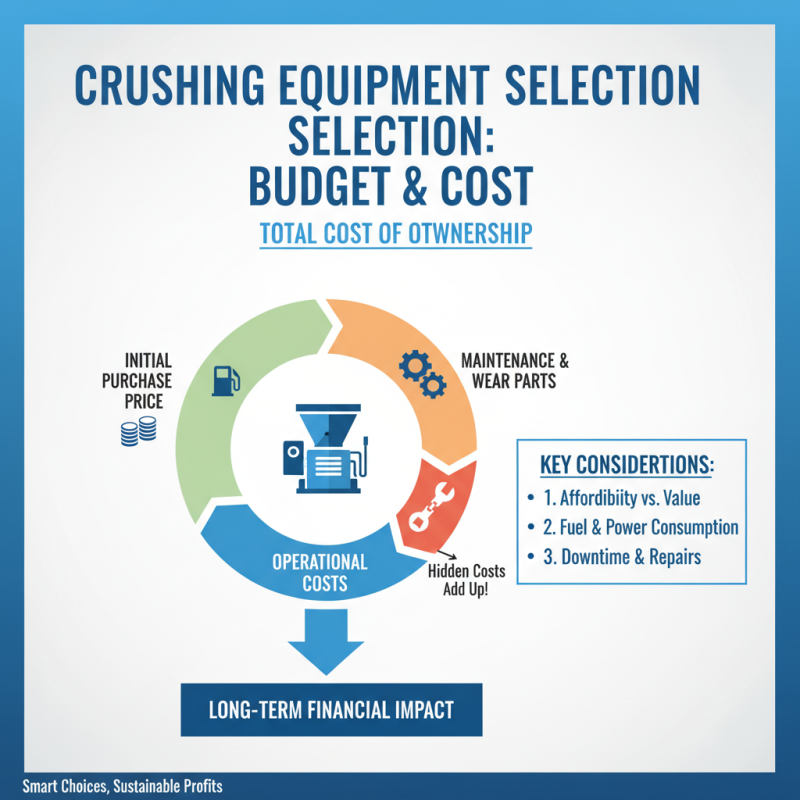
Choosing the right crushing equipment involves careful budgeting and cost considerations. Assessing the total cost of ownership is crucial. This includes initial purchase price, maintenance, and operational costs. Equipment may seem affordable at first, but hidden costs can add up quickly. It's vital to consider long-term impacts on your finances.
Investing in more durable equipment can save money over time. Quality options may have a higher upfront cost, but they often require fewer repairs. Analyze projected production volumes. Sometimes, lower capacity machines are less efficient. Evaluate your output needs to avoid buying equipment that underperforms or exceeds your requirements.
Don't forget operational costs. Energy consumption plays a significant role in your budget. A machine that consumes more power may increase your overall expenses. Consider the materials you'll crush. Some machines work well with specific types. Aim for equipment matching your project needs, which can optimize performance and cost efficiency. Remember, cutting corners now might lead to regrets later.