Leave Your Message

China Top Stone Crusher Manufacturer for Global Buyers

Choosing a reliable China Stone Crusher manufacturer requires more than comparing prices on a product page. Global buyers need equipment that matches material hardness, production targets, site conditions, and local maintenance capacity. A suitable supplier should explain these factors clearly. It should not simply recommend the largest model.

Experienced manufacturers usually offer jaw crushers, cone crushers, impact crushers, and complete crushing plants. Each machine serves a different stage. A jaw crusher may handle large granite blocks at the primary stage. A cone crusher can produce a more controlled aggregate size. Practical details matter. Ask about feed opening, discharge range, motor power, wear parts, and hourly capacity.

Real project experience is valuable. Request operating photos, technical drawings, test data, and references from comparable applications. A dependable manufacturer should also provide factory inspection access, installation guidance, spare-parts support, and clear warranty terms. Documentation should be accurate and easy to verify. Safety design and compliance with destination-market requirements deserve equal attention.

No supplier is perfect. Equipment performance can change with moisture, stone shape, operator skill, and maintenance habits. Even a well-designed plant may need adjustments after commissioning. That is why honest communication matters more than impressive promises. Buyers should compare lifecycle costs, not only the initial quotation. Freight, foundations, electrical systems, wear parts, and technical training can affect the final investment.

This guide introduces key factors for selecting a China Stone Crusher manufacturer for global projects. It focuses on practical evaluation, engineering evidence, service reliability, and long-term operating value. The goal is simple: help buyers make a confident decision, while recognizing that careful review is still necessary.
China Top Stone Crusher Manufacturer for Global Buyers

China’s Role as a Leading Stone Crusher Manufacturer

China Top Stone Crusher Manufacturer for Global Buyers

China’s Role as a Leading Stone Crusher Manufacturer

China’s role as a leading stone crusher manufacturer comes from more than large factories. It comes from a complete industrial network. Engineers, foundries, motor suppliers, and machining workshops often work within one supply chain. This structure supports jaw, cone, impact, and mobile crushing equipment. It also helps manufacturers adjust designs for limestone, granite, basalt, and recycled aggregates. Practical experience matters here. A crusher facing wet limestone needs different feeding and screening choices than one processing hard granite.

For global buyers, the main advantage is manufacturing flexibility. Chinese producers can often configure feed openings, discharge sizes, conveyor layouts, and electrical systems for specific projects. Many export teams understand container loading, installation documents, spare parts planning, and remote commissioning. Technical drawings and production videos can improve purchasing confidence. Still, documents need careful checking. A polished catalog cannot replace a verified test report or a clear wear-parts schedule. Buyers should compare capacity under actual material conditions, not only advertised maximum output.

Reliable cooperation also depends on quality control. Buyers should review material certificates, weld inspections, factory acceptance procedures, and after-sales response times. A site visit or independent inspection may reveal details missed online. No supplier is perfect. Some low quotations may hide thinner liners, limited service, or uncertain delivery timing. Chinese manufacturers remain strong because they combine scale with customization, but improvement is still necessary. Energy use, dust control, noise reduction, and operator training deserve equal attention. The best equipment is not merely powerful; it is suitable, maintainable, and honestly specified.
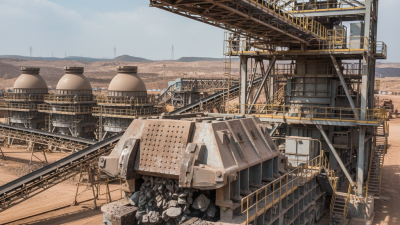
Types of Stone Crushers Made for Global Applications

Stone Crusher Types for Global Applications

Global projects require different crushing methods, not one universal machine. Jaw crushers handle primary reduction and accept large, uneven feed. They suit quarries, road bases, and hard rock sites. The USGS Mineral Commodity Summaries 2024 reported about 1.5 billion metric tons of crushed stone produced in the United States during 2023. That scale shows why reliable feed control matters.

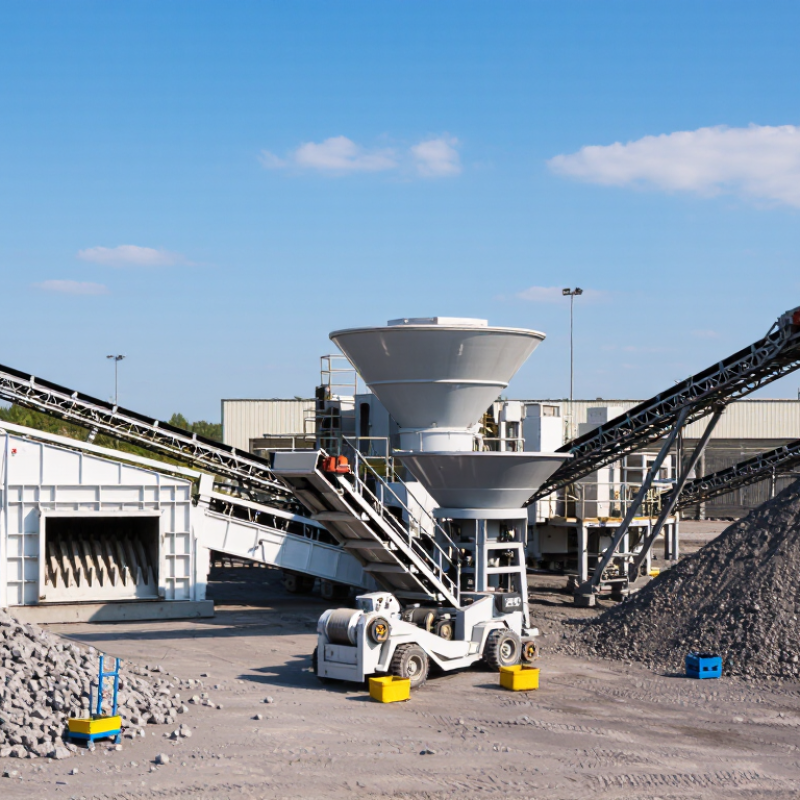
Cone crushers produce consistent, finer aggregates after primary crushing. They perform well with granite, basalt, and other abrasive materials. Impact crushers use controlled collision, making them useful for limestone and recycled concrete. Their output can support manufactured sand and shaped aggregates. In contrast, mobile crushing plants reduce transport needs on temporary projects. They also demand careful dust, noise, and traffic planning.

A practical selection begins with material testing. Check hardness, moisture, abrasiveness, and the required product size. A narrow closed-side setting may improve grading, but it can increase wear and energy use. The International Energy Agency continues to identify industrial efficiency as a major emissions priority, so power consumption deserves attention. Still, production figures alone can mislead. A cheap crusher may create costly downtime. Operators should inspect liners, bearings, discharge conveyors, and spare-part access before purchase. Small details matter. Poorly matched equipment remains a common, avoidable mistake.

Key Manufacturing Standards and Quality Control Practices

China Top Stone Crusher Manufacturer for Global Buyers

Reliable stone crusher manufacturing begins with controlled materials and repeatable processes. Experienced plants verify steel grades before cutting and welding. Each critical component should carry a traceable batch number. This simple record helps inspectors identify material sources and production dates. Engineering teams also review drawings against applicable international standards, safety requirements, and site conditions. Small errors matter. A misaligned shaft can increase vibration, noise, and maintenance costs. Welds require visual inspection, dimensional checks, and suitable non-destructive testing when risk levels demand it. Bearings, liners, and drive systems should be tested under documented procedures.

Tips: Ask for inspection records, material certificates, test videos, and calibration dates. Confirm whether final testing uses your expected feed size and operating conditions. Do not rely on photographs alone.

Quality control should continue beyond assembly. A complete factory test can check empty-load vibration, lubrication flow, emergency stops, guarding, and electrical functions. Inspectors should record measurements instead of using vague terms such as “acceptable.” Packing also deserves attention. Moisture barriers, impact protection, and clear spare-part labels reduce problems during long-distance transport. In practice, no production system is perfect. A missing signature or delayed test record may reveal a weak process. That deserves review, not concealment. Reliable suppliers welcome reasonable audits and explain corrective actions with evidence. Regular feedback from quarry operators can improve future designs, even when the original machine meets its specifications.

China Top Stone Crusher Manufacturer for Global Buyers - Key Manufacturing Standards and Quality Control Practices

Quality Dimension Applicable Standard or Reference Key Manufacturing Requirement Typical Verification Method Quality Evidence for Global Buyers
Quality Management System ISO 9001:2015 Controlled procedures for design review, purchasing, production, inspection, nonconformity handling, and continual improvement. Internal audits, process audits, corrective-action reviews, and examination of documented procedures. Valid certificate from an accredited certification body, audit records, and inspection plans.
Engineering and Drawing Control ISO 9001:2015; ISO 2768 where specified Approved drawings should define dimensions, tolerances, materials, weld details, surface treatment, and revision status before production. Revision review, dimensional inspection, and comparison with approved manufacturing drawings. Signed drawing approval, revision history, inspection report, and change-control records.
Raw Material Traceability EN 10204:2004, inspection document types 2.2 or 3.1 Steel plates, castings, forgings, shafts, and wear materials should be traceable to heat, batch, or purchase order numbers. Document review, batch identification, positive material identification when required, and certificate matching. Mill test certificate, material certificate, heat number, and receiving inspection record.
Crusher Frame and Structural Fabrication Approved fabrication drawings; ISO 5817 where applicable Frame members, welded joints, mounting faces, and reinforcement plates should meet specified geometry and weld-quality requirements. Visual weld inspection, dimensional checks, and non-destructive testing according to the inspection plan. Welding procedure records, welder qualification records, weld inspection reports, and dimensional reports.
Welded Joint Inspection ISO 17637; ISO 17640 where ultrasonic testing is specified Welds should be free from unacceptable cracks, lack of fusion, excessive undercut, and other discontinuities defined by the applicable acceptance level. Visual testing, ultrasonic testing, magnetic particle testing, or penetrant testing as applicable. Non-destructive testing reports with operator qualification, equipment identification, and acceptance results.
Wear-Resistant Parts ASTM A27/A27M or ASTM A128/A128M where specified by the design Jaw plates, mantles, concaves, blow bars, and liners should comply with the specified alloy grade, casting condition, dimensions, and heat-treatment requirements. Chemical analysis, hardness testing, visual inspection, dimensional inspection, and sampling-based metallurgical examination. Chemical composition report, heat-treatment record, hardness report, and casting inspection record.
Manganese Steel Verification ASTM A128/A128M where Hadfield-type manganese steel is specified Austenitic manganese steel is commonly selected for impact and gouging wear; the exact grade and chemistry must follow the approved specification. Spectrometer analysis, hardness testing, heat-treatment verification, and surface defect inspection. Material grade, chemical composition, heat-treatment temperature record, and test results linked to the casting heat number.
Heat Treatment Approved material specification and qualified process procedure Heating rate, holding time, quenching method, and cooling conditions should be controlled for applicable castings, shafts, and wear parts. Temperature-recording equipment, furnace charts, hardness testing, and representative sample inspection. Furnace records, calibration certificates, batch identification, and post-treatment test reports.
Dimensional Accuracy ISO 286-1; ISO 286-2; approved equipment drawings Critical shaft diameters, bearing seats, mounting holes, liner interfaces, and alignment surfaces should remain within specified tolerances. Calibrated vernier calipers, micrometers, bore gauges, height gauges, or coordinate measuring equipment. Detailed dimensional inspection report with instrument identification and calibration status.
Shafts, Rotors, and Eccentric Assemblies ISO 21940 where balancing is required Rotating assemblies should meet the specified balance quality, runout, fit, and concentricity requirements. Dynamic balancing, runout measurement, shaft inspection, and bearing-seat dimensional checks. Balancing report, runout record, shaft material certificate, and assembly inspection sheet.
Machining and Surface Finish Approved drawings and purchase specifications Machined faces, threads, bearing seats, and sealing surfaces should meet specified tolerances and surface-finish requirements. Surface roughness measurement, thread gauges, dimensional inspection, and visual examination. Machining inspection report, tool calibration record, and final acceptance checklist.
Hydraulic and Lubrication Systems Approved hydraulic schematic and equipment specification Pipes, hoses, valves, pumps, seals, and lubrication circuits should be correctly installed, clean, leak-free, and set to specified operating values. Pressure testing, leak inspection, functional testing, and verification of gauges and safety devices. Pressure-test record, functional test report, component certificates, and hydraulic schematic.
Electrical and Control System IEC 60204-1 where applicable Electrical panels, wiring, emergency stops, sensors, interlocks, and protection devices should correspond to the approved control design. Continuity, insulation, grounding, sequence, interlock, and emergency-stop tests. Electrical test report, wiring diagram, control-panel checklist, and functional commissioning record.
Assembly and Functional Testing Approved factory acceptance test procedure The assembled crusher should be checked for correct rotation, clearances, lubrication, abnormal noise, vibration, and operating response. No-load testing, simulated-load testing where agreed, vibration monitoring, temperature checks, and safety-function tests. Factory acceptance test report, commissioning checklist, measured operating data, and punch-list closure.
Surface Protection and Corrosion Control ISO 12944 where specified for protective coating systems Surface preparation, primer, intermediate coat, and topcoat should match the agreed environment and coating system. Surface cleanliness inspection, wet or dry film thickness measurement, and visual coating inspection. Paint specification, coating batch information, surface-preparation record, and film-thickness report.
Packaging and Export Readiness ISPM 15 for regulated solid-wood packaging Heavy components should be secured against movement, moisture, impact, and lifting risks during international transport. Packaging inspection, center-of-gravity review, lifting-point verification, and document cross-check. Packing list, export marks, lifting instructions, moisture protection record, and ISPM 15 mark where applicable.
Documentation and After-Sales Support Contract-specific documentation requirements Operating manuals, spare-parts lists, maintenance schedules, drawings, certificates, and warranty terms should match the supplied equipment. Document review against the purchase order, equipment serial numbers, and final inspection checklist. Complete technical dossier, recommended spare-parts list, installation guidance, and warranty documentation.
Standards marked “where applicable” should be confirmed against the equipment type, contract requirements, destination-market regulations, and approved technical specifications.

How to Choose a Reliable Chinese Stone Crusher Supplier

China Top Stone Crusher Manufacturer for Global Buyers

Choosing a reliable Chinese stone crusher supplier requires more than comparing online prices. Start with the material, feed size, moisture, capacity, and final product shape. A professional supplier should turn these details into a clear machine proposal. Ask for drawings, power data, wear-part specifications, and expected output. Request test records using rock similar to yours. Real evidence matters.

Tips: Visit the factory, if practical. Check machining areas, assembly quality, spare-part storage, and safety procedures. Speak with recent overseas customers, not only selected references. Confirm inspection points before shipment. An independent inspection can verify dimensions, electrical components, and packing. Review warranty terms, response times, installation support, and training. Put every promise in the contract.

Do not judge reliability from polished photos alone. A supplier may communicate well yet lack stable after-sales support. It is also easy to choose the largest model unnecessarily. That decision raises energy use and replacement costs. Compare lifecycle cost, not only purchase price. Request a realistic quotation with exclusions shown. Some assumptions will be wrong. Recheck them before ordering. Small details, such as local voltage and discharge access, can prevent expensive delays.

Export Services, Customization, and After-Sales Support

China Top Stone Crusher Manufacturer for Global Buyers

Export Services, Customization, and After-Sales Support

Global buyers need more than a crusher shipped in a steel frame. A dependable supplier should review material hardness, feed size, output capacity, and local power standards before production. Export support may include technical drawings, packing lists, installation manuals, and container loading photos. These details reduce confusion at customs and during site preparation. Practical experience matters here. A small mistake in voltage or discharge settings can delay commissioning.

Customization should solve a real production problem. Engineers may adjust jaw openings, conveyor lengths, screen decks, or dust-control arrangements. They should also confirm whether the machine suits limestone, granite, recycled concrete, or another material. Clear drawings and recorded inspection data build confidence. Still, no project is perfect. Site conditions can change, and early assumptions sometimes need correction. Honest communication is more valuable than an impressive promise.

Tips: Share photos of the installation area and your expected output. Confirm voltage, feed size, spare-parts availability, and delivery terms in writing. After-sales support should continue beyond delivery. Useful services include remote troubleshooting, operating guidance, wear-part recommendations, and commissioning assistance. A response within hours is helpful, but accurate advice matters more. Keep daily records of vibration, product size, and liner wear. These simple notes help technicians identify problems before they become expensive.

China Top Stone Crusher Manufacturer for Global Buyers

Export Services, Customization, and After-Sales Support

The chart presents typical published capacity ranges for major stone-crusher configurations. Actual output depends on material hardness, feed size, discharge setting, moisture, and operating conditions. Export support commonly includes equipment configuration, documentation, installation guidance, spare-parts planning, and after-sales technical assistance.