How to Choose the Right Crushing Machine?
Choosing the right Crushing Machine is a production decision, not a simple equipment purchase. The correct model must match the material, feed size, moisture, abrasiveness, required output, and site conditions. A machine that performs well in a dry limestone quarry may struggle with wet clay or highly abrasive granite. The difference can appear in a few practical details: blocked discharge openings, worn jaw plates, rising power consumption, or uneven product grading.
Industry data shows why this decision deserves careful attention. The U.S. Geological Survey reported approximately 1.5 billion metric tons of crushed stone production in the United States in 2024, according to its Mineral Commodity Summaries 2025. This scale reflects the continuing demand for reliable aggregate processing in construction, roads, and infrastructure. However, production volume alone does not identify the best crusher. Energy use, maintenance access, lifecycle cost, and operator safety also influence real performance. The U.S. Mine Safety and Health Administration emphasizes risk control, guarding, training, and safe maintenance practices across mine and processing operations.
There is no universal best machine. Not even close. A jaw crusher may suit primary reduction, while an impact crusher can offer better shaping for selected materials. Cone crushers often support consistent secondary or tertiary production, but their performance depends heavily on feed control. Manufacturer specifications are useful, yet they should be verified through material testing and site trials. This guide explains how to compare crushing stages, capacity claims, wear parts, automation, and total ownership costs. Some choices remain imperfect. That is normal. A reliable decision combines published data, field experience, and honest assessment of operational limitations.
Understanding the Main Types of Crushing Machines
How to Choose the Right Crushing Machine?
Understanding the Main Types of Crushing Machines
The right crusher depends on feed size, rock hardness, moisture, and the required product shape. The U.S. Geological Survey reported about 1.5 billion metric tons of crushed stone production in the United States in 2023. That scale shows why small selection errors can create major operating costs.
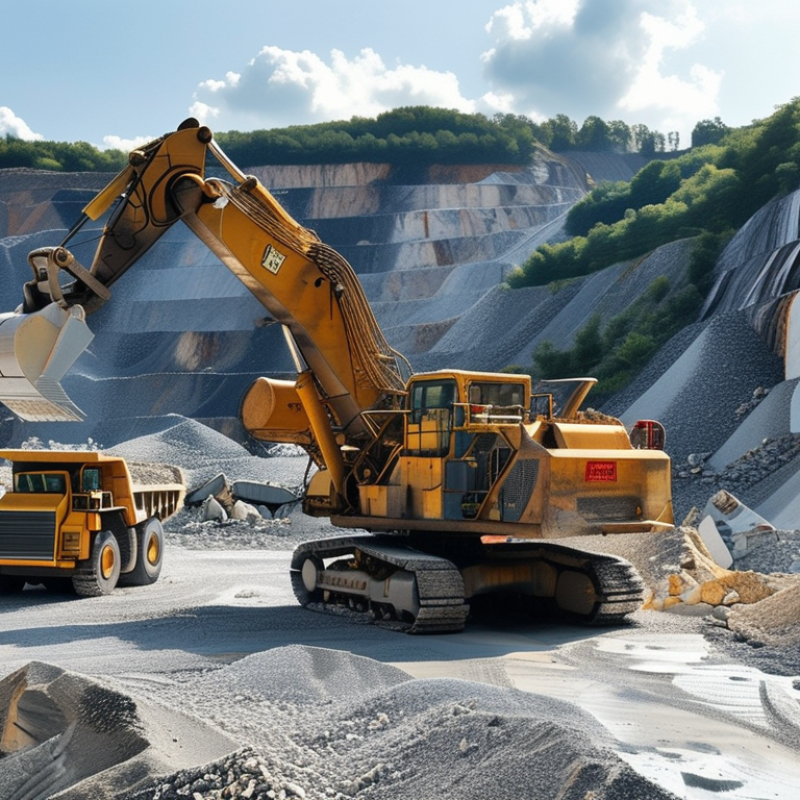
Jaw crushers suit primary crushing, especially when blasted rock arrives in large, irregular pieces. Their simple structure handles tough materials, but the product often needs further processing. Gyratory crushers support very high capacities and stable continuous operation. They usually fit large quarries better than compact sites. Cone crushers are effective for secondary or tertiary stages. They produce consistent, well-graded material from harder rock. Impact crushers use high-speed blow bars and work well with softer stone or recycling feed. They can create excellent particle shape, although abrasive material may increase wear. Roll crushers offer controlled reduction, but their application range is narrower.
Tips: Measure the feed first. Check compressive strength, abrasion, moisture, and target size. Do not choose by capacity alone. A machine rated for 500 tonnes per hour may perform poorly with wet, sticky feed. I would also inspect liner wear records and sample the material during different seasons. Laboratory data can look precise, yet field conditions often disagree. Allow space for maintenance, dust control, and safe access around the crusher. The right answer may be a staged circuit, not one powerful machine.
Defining Your Material and Crushing Requirements
Choosing the right crushing machine starts with defining the material, not browsing equipment catalogs. Identify its hardness, abrasiveness, moisture, clay content, and maximum feed size. Limestone behaves differently from granite, recycled concrete, or wet aggregate. A field sample and laboratory test can prevent costly assumptions.
The USGS Mineral Commodity Summaries 2024 estimated U.S. crushed stone production at about 1.9 billion metric tons in 2023. That scale shows why small efficiency losses matter. State your required capacity in tonnes per hour, then define the target product sizes and acceptable fines. A machine may reach the stated capacity, yet produce too much dust or an unsuitable particle shape. Reduction ratio matters. So does the feeding method. I have seen projects focus on hourly output while overlooking blocked chutes during wet weather. That mistake is ordinary, but expensive.
Tips:
Measure the material’s moisture and abrasion before selecting the crusher. Compare actual feed size with the machine’s maximum opening. Ask for test results using comparable rock. Check power demand, wear-part life, maintenance access, and noise limits. Keep a safety margin instead of designing at constant maximum load. The Energy Institute’s Statistical Review of World Energy 2024 reports continued global growth in electricity demand, so energy intensity deserves attention. It is easy to underprice electricity during planning. Recheck that estimate with seasonal operating data.
Matching Machine Features to Production Needs
How to Choose the Right Crushing Machine?
Matching Machine Features to Production Needs
Choosing a crushing machine begins with the material, not the machine catalogue. Test hardness, moisture, abrasiveness, and feed size before comparing equipment.
A hard, abrasive stone may need a wear-resistant crushing chamber and adjustable discharge settings. Softer material can often use simpler equipment with lower operating costs. If the feed contains clay or excess moisture, blockage becomes a practical concern. It may require a pre-screening stage or a wider feed opening. Small details matter.
Production targets also shape the decision. A site producing 80 tons per hour needs different capacity from a temporary project producing 20 tons. Check the maximum feed size, expected output range, motor power, and maintenance access. A machine that meets peak capacity may waste energy during normal shifts. That is easy to overlook.
Control features can improve consistency. Automatic regulation may help maintain product size when feed conditions change. However, automation cannot correct poor material testing or careless setup. Operators still need training, inspection routines, and clear safety procedures. I have seen specifications look impressive while service access remained awkward. That weakness increased downtime. The cheapest option is not always economical. Compare wear-part life, replacement time, energy use, and local technical support before making the final selection.
Comparing Capacity, Efficiency, and Operating Costs
How to Choose the Right Crushing Machine?
Capacity looks attractive on a specification sheet, but real output often tells a different story. A crusher rated for 200 tons per hour may produce less with wet feed, oversized rocks, or uneven loading. Check the required feed size, final product size, and material hardness. A short trial using representative material is more reliable than a brochure figure. Operators should also watch product consistency, not only hourly volume.
Efficiency means producing usable material with fewer losses, blockages, and energy demands. Compare motor power with actual throughput. A machine using more electricity is not always inefficient if it reduces recirculation and downtime. Operating costs include electricity, wear parts, lubrication, labor, and unplanned repairs. A cheaper purchase can become expensive when screens blind frequently or replacement parts arrive slowly. In field evaluations, maintenance access has often mattered more than expected. I still think cost models can miss small daily delays.
Tips: Record tons per hour, power use, downtime, and wear rates during a normal shift. Ask operators where jams occur. Leave room for seasonal moisture changes. Choose capacity with a practical safety margin, not an optimistic peak. Review the numbers after several weeks, because early estimates are often imperfect.