Leave Your Message

China Top Ultrafine Ball Mill Manufacturer and Price?

China’s ultrafine grinding market includes manufacturers offering different mill designs, capacities, and levels of service. This guide examines how to assess them and what shapes the price of an Ultrafine Ball Mill. A low quotation can look attractive. It may not include liners, installation, or commissioning support.

Mill selection starts with the material, not the brochure. Feed size, hardness, moisture, target fineness, and required throughput all affect equipment choice. A buyer should request a test report or a clearly stated performance guarantee. Ask how the supplier measures particle size. Also check which wear parts are included and how quickly replacements can be delivered.

Mineral-processing author Dr. Barry Wills offers a useful perspective through his work on comminution and downstream processing. A practical paraphrase of that perspective is: “A finer grind is valuable only when it serves the process.” This is a paraphrase, not a verbatim quotation. It highlights a detail that price comparisons can miss: excessive grinding may increase energy use without improving the final product. Details matter.

The sections ahead compare manufacturer capabilities, technical specifications, service, and pricing factors. They also identify questions to ask before requesting a formal quotation. Supplier claims deserve careful checking. Published capacity figures may depend on the material and operating conditions, so request comparable test data. Even a well-designed comparison has limits; actual results can differ once the mill handles your feed.
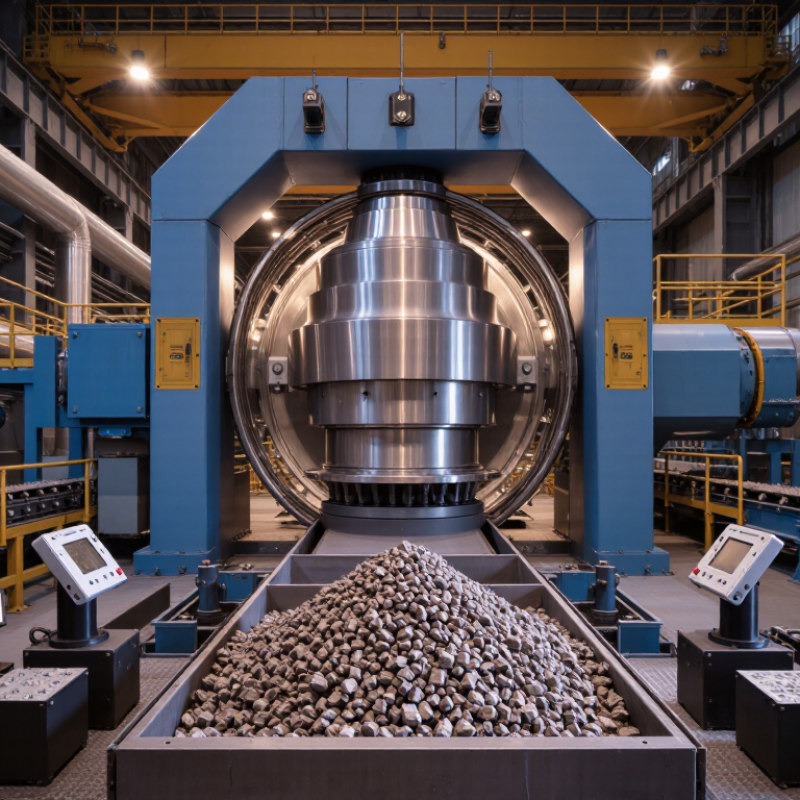
China Top Ultrafine Ball Mill Manufacturer and Price?

What Is an Ultrafine Ball Mill?

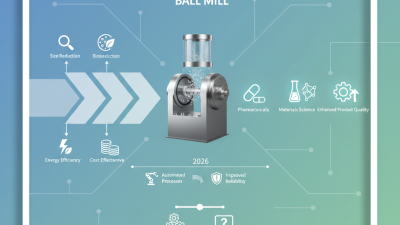
An ultrafine ball mill is a rotating cylinder that uses grinding media to reduce mineral particles to very small sizes, often below 10 micrometres. As the cylinder turns, the media lift and fall, breaking particles through impact and friction. Feed enters one end; a controlled discharge leaves the other. The product’s actual fineness depends on ore hardness, media size, mill speed, and residence time. “Ultrafine” has no single universal cutoff, so buyers should specify a target particle-size distribution, not just a label. That distinction matters.

The U.S. Department of Energy’s 2007 Mining Industry Energy Bandwidth Study estimated that comminution accounted for roughly 29% of U.S. mining energy use. This makes power consumption per tonne a practical comparison alongside output fineness. Operators also monitor mill temperature, bearing vibration, and slurry flow; a warm housing or unstable feed can signal process drift. Still, a finer product can require more grinding time and energy. The trade-off is real. Lab tests on representative ore help set a credible target, though samples may not capture every shift in mine conditions. A mill specification should therefore include feed size, expected throughput, product-size test method, and operating assumptions—not merely a promised micron figure.
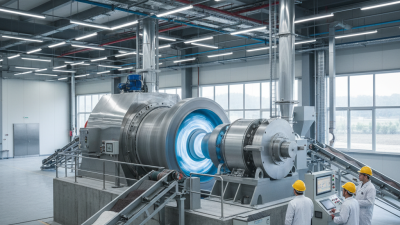
How Does an Ultrafine Ball Mill Work?

How Does an Ultrafine Ball Mill Work?

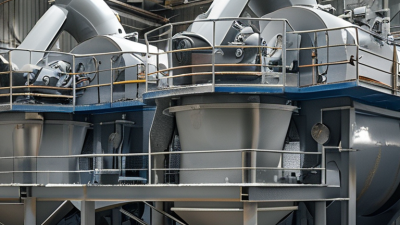
An ultrafine ball mill reduces particles through repeated impact and abrasion. A motor turns a cylindrical shell partly filled with grinding balls and feed material. As the shell rotates, balls rise, then tumble or fall through the powder. The impacts break larger grains; rubbing between balls and particles reduces them further. It is controlled, not magic. The Coalition for Energy Efficient Comminution has cited an industry estimate that comminution uses about 3% of global electricity. That broad estimate is not specific to ultrafine mills, but it shows why efficient operation matters.

Fine grinding depends on several interacting settings. Ball size affects contact: smaller media create more contact points, while larger balls can break coarser feed. Speed, media loading, feed size, moisture, and residence time also shape the result. In wet operation, slurry moves through the mill; a classifier can separate fine material and return coarse particles for more grinding. Operators check samples for particle-size distribution, not just appearance. Heat and wear matter too. A mill can look steady while producing uneven powder. One limitation is easy to overlook: changing one setting may shift both throughput and fineness, so trials and measurements remain essential.

How Does an Ultrafine Ball Mill Work?

Indicative product particle-size ranges for different milling technologies

A rotating mill uses grinding media to reduce material through impact and attrition. Ultrafine grinding aims for smaller particles than conventional ball milling. These ranges are indicative, not guaranteed: results depend on the feed material, initial particle size, media, and operating conditions. Equipment pricing also varies with capacity and configuration.

Which Industries Use Ultrafine Ball Mills?

Which Industries Use Ultrafine Ball Mills?

Ultrafine ball mills serve industries that need fine, consistent powders. Mineral processors use them to grind materials such as limestone, quartz, and kaolin for fillers and coatings. Ceramic manufacturers mill powders to help achieve smoother mixes and more uniform fired products. Cement and building-material producers may use fine grinding to adjust powder performance. Fit matters.

Paint, ink, and pigment makers also use these mills to disperse and refine solid ingredients. In advanced-materials production, they can process selected ceramic or battery-related powders. The right setup depends on the material, target particle size, throughput, and whether milling is wet or dry. Hard feed materials can increase wear, while overly fine grinding may consume energy without improving the final product. That trade-off deserves attention.

Tips: Test a representative sample before choosing equipment. Check particle-size distribution, heat rise, contamination risk, and media wear. Ask for operating data under similar conditions, not just a quoted capacity. A lab result is useful, but full-scale performance can differ.

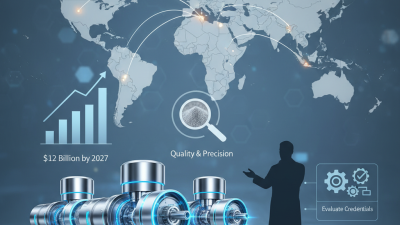
How to Evaluate Ultrafine Ball Mill Manufacturers in China?

Evaluating an ultrafine ball mill manufacturer starts with your material, not a brochure. Ask for a grinding test using your feed, target particle size, and moisture level. Request the actual throughput, power consumption per tonne, particle-size distribution, and test duration. Ask for logs. One attractive sample proves little if the operating conditions are unclear.

Energy deserves close attention. The U.S. Department of Energy’s 2014 report, Improving Motor and Drive System Performance, estimates that motor-driven systems account for about 69% of U.S. manufacturing electricity use. This figure covers many types of equipment, not mills alone, but it shows why operating efficiency matters. Compare quoted kWh per tonne at the same fineness and capacity. Also inspect the proposed motor, drive, bearings, liners, and expected wear intervals.

Check whether the manufacturer can provide drawings, material specifications, commissioning support, and a clear spare-parts list. Ask how its test results translate to your plant’s feed; scale-up is not always straightforward. Compare total cost over time, including installation, wear parts, energy, and downtime, rather than purchase price alone. If possible, speak with a customer processing similar material. I would still request a repeat test: a single run can conceal variability.

What Factors Determine Ultrafine Ball Mill Prices?

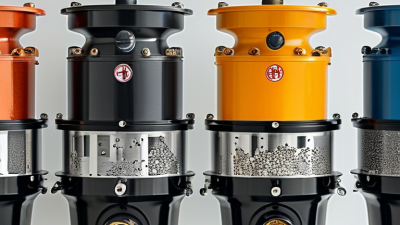
Ultrafine ball mill prices depend on the work the machine must perform, not just its rated capacity. Buyers should compare feed size, material hardness, moisture, required fineness, and hourly output. A mill processing abrasive quartz to a tight D97 target needs different grinding media and wear protection from one handling softer minerals. That costs more. A larger classifier, stronger drive, and finer control system can also raise the purchase price.

The International Energy Agency’s cement-sector tracking data put global cement production at about 4.1 billion tonnes in 2022. This scale helps explain why throughput and energy use matter, but it is not a mill-price benchmark. Ask suppliers for power consumption at your actual feed and fineness. A quoted motor rating alone is not enough. Liner material, grinding-ball size, dust collection, automation, and installation scope also affect the final cost. Not always obvious.

Request a test using a representative sample, then compare capacity, product-size distribution, and wear estimates across quotations. Check whether prices include the classifier, electrical cabinet, commissioning, and spare parts. A low initial quote may omit these items. One uncertainty remains: laboratory samples may not reflect changing moisture or ore hardness at the plant. Build that gap into your evaluation.

China Top Ultrafine Ball Mill Manufacturer and Price? - What Factors Determine Ultrafine Ball Mill Prices?

Ultrafine ball mill prices depend on the complete system specification, not just the mill itself. The table below summarizes the main factors to compare when requesting quotations. There is no single reliable market price without defined materials, capacity, product fineness, and scope of supply.

Price factor What to specify or check Typical cost effect Information to include in a quotation request
Required fineness Target particle-size distribution, such as D50 and D90, and the test method used to measure it. Finer targets can require more grinding energy, longer residence time, and additional classification or cooling equipment. State the target D50/D90, acceptable oversize fraction, and measurement method.
Material properties Feed size, hardness, abrasiveness, moisture, density, and whether the material is heat-sensitive or reactive. Hard or abrasive feed may require more power and wear-resistant liners or grinding media. Heat-sensitive materials may need cooling provisions. Provide a representative sample and material data, including feed size and moisture content.
Required throughput Required finished-product output per hour or per day at the specified fineness. Higher output generally calls for greater mill capacity, drive power, and larger or additional process equipment. Give the required production rate and clarify whether it refers to feed or finished product.
Mill and classifier configuration Whether the offer includes only a ball mill or also a classifier, feeder, conveying equipment, and controls. An integrated grinding and classification line costs more than a mill supplied on its own, but provides a more complete process solution. Request an itemized equipment list and define the required process flow.
Grinding media and liners Media and liner material, wear life, contamination limits, and the availability of replacement parts. Special materials or tighter contamination requirements can increase initial cost; wear parts also affect ongoing operating cost. Identify product purity requirements and request recommended media and liner specifications.
Dust collection and safety Dust collector, enclosure, ventilation, and any measures required for combustible, toxic, or otherwise hazardous dust. Additional containment and safety equipment can increase system cost. Requirements depend on the material and local regulations. Describe the material hazards and applicable site and regulatory requirements.
Automation and electrical scope Control panel, sensors, variable-frequency drives, automation level, and electrical standards. More extensive instrumentation and automation add equipment and integration costs. Specify supply voltage, frequency, control preferences, and required electrical standards.
Installation and site conditions Foundation, building height, available utilities, installation labor, commissioning, and training. Site work and on-site services may be excluded from the equipment price and can vary with location and project scope. Provide site drawings and confirm which installation and commissioning services are included.
Delivery and commercial terms Packaging, shipping, insurance, customs, taxes, payment terms, warranty, and spare parts. The delivered and installed cost can differ substantially from the equipment-only quotation. Compare quotations using the same delivery basis, inclusions, warranty period, and payment terms.

Practical price comparison: Ask each supplier to confirm the guaranteed throughput and product-size results for your material, list all included equipment, and separate equipment, delivery, installation, and commissioning costs. A sample test is useful when performance depends strongly on the material.