How to Choose the Best Ultrafine Ball Mill for Your Needs?
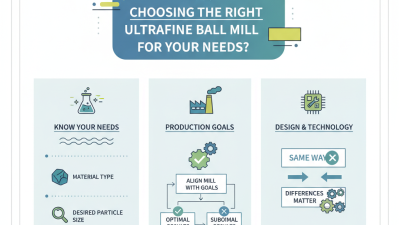
Choosing the right ultrafine ball mill can feel overwhelming. The market is filled with various options, each boasting unique features. Understanding what you need is crucial for making an informed decision.
An ultrafine ball mill is essential for many industrial applications. This equipment crushes materials to very fine particles, which enhances their properties. It is widely used in pharmaceuticals, chemicals, and materials science. However, selecting the best model requires careful evaluation of your specific requirements.
Consider the material type, desired particle size, and production capacity. Each ultrafine ball mill may perform differently based on these factors. Trusting your supplier's authority and expertise becomes important. Seek reviews and testimonials from other users. Reflect on past experiences or challenges you've faced with similar equipment. Finding the best ultrafine ball mill can greatly impact your project’s success.
Factors to Consider When Selecting an Ultrafine Ball Mill Model
When selecting an ultrafine ball mill, several factors deserve attention. Assess the materials you'll process. Different materials require varied milling methods and equipment designs. Understand the hardness and moisture content of your materials. A mill suitable for dry materials might not perform well with wet ingredients.
Another critical aspect is the production capacity. Determine your output requirements before making a decision. Some mills are designed for high throughput, while others focus on precision with smaller batches. Additionally, consider the ease of maintenance. A reliable mill should allow easy access for repairs and adjustments.
User feedback plays a crucial role. It is beneficial to seek out experienced operators' reviews or case studies. However, be cautious; not all reviews reflect the true capabilities of the equipment. Reflect on your unique needs. A mill that works well for someone else might not be ideal for your operation. Balancing these factors will aid in selecting the perfect ultrafine ball mill for your specific requirements.
Understanding the Different Types of Ultrafine Ball Mills Available
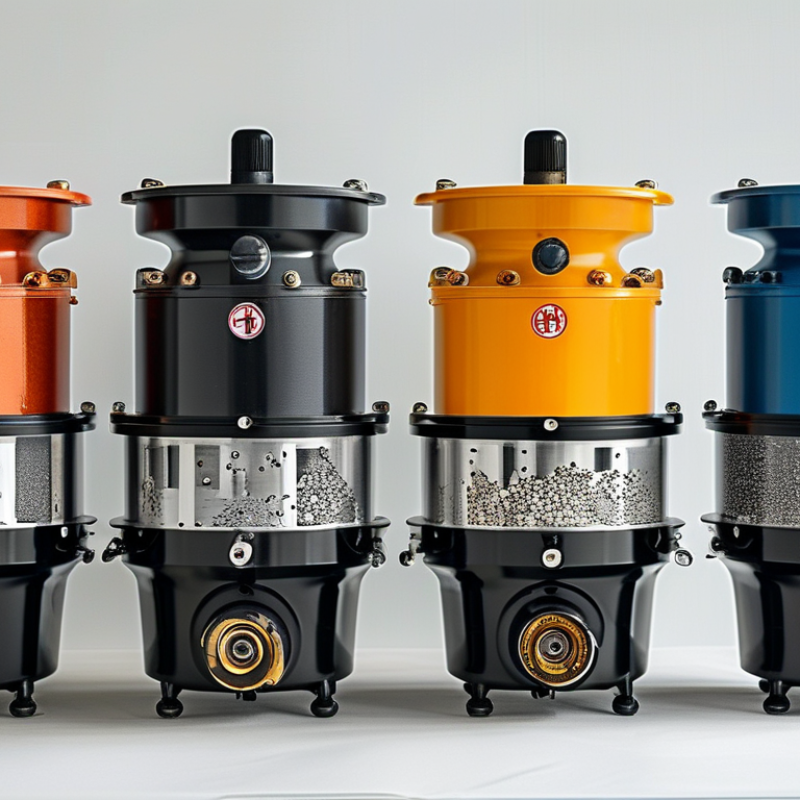
When selecting an ultrafine ball mill, understanding the different types available is crucial. There are several designs tailored for specific materials and particle sizes. Each type presents unique advantages and drawbacks. For instance, some mills use horizontal cylinders, while others employ vertical configurations. The choice can impact efficiency and performance.
Another consideration is the grinding media used. Ceramic, steel, and polymer balls differ in wear resistance and compatibility. Selecting the appropriate media helps prevent contamination and ensures the longevity of the mill. You must also take into account the milling environment, including temperature and humidity, as these factors can influence the milling process.
While many ultrafine ball mills promise high efficiency, user experience varies widely. Misalignment and improper settings can lead to subpar results. It’s essential to review operational parameters closely. Conducting tests with small batches can reveal the most suitable configuration for your needs. An ongoing evaluation of the milling process is often necessary to achieve optimal outcomes. Consider the lessons learned from previous operations; they can guide future choices.
Evaluating Mill Performance Metrics: Fineness and Efficiency Rates
When selecting an ultrafine ball mill, evaluating mill performance metrics is crucial. Two key metrics are fineness and efficiency rates. Fineness typically refers to the particle size reduction achieved by the mill. The desired fineness can vary widely depending on the application, often measured in microns. For instance, a target fineness of 10 microns can significantly enhance product quality in industries such as pharmaceuticals and pigments.
Efficiency rates are equally important. The milling process should maximize output while minimizing energy consumption. Reports indicate that a well-optimized mill can achieve energy savings up to 40% compared to standard models. This impressive figure emphasizes the need for thorough evaluation before making a purchase.
Moreover, some mills may struggle to maintain consistent fineness over extended runs. Inconsistent output can compromise product integrity and lead to increased costs. It's essential to balance fineness with operational efficiency. Focusing solely on one metric can result in trade-offs that affect overall performance. Continuous assessment and adjustments may be necessary to align with specific production goals.
How to Choose the Best Ultrafine Ball Mill for Your Needs? - Evaluating Mill Performance Metrics: Fineness and Efficiency Rates
| Parameter |
Mill A |
Mill B |
Mill C |
Mill D |
| Fineness (µm) |
1.5 |
2.0 |
1.2 |
1.8 |
| Efficiency Rate (%) |
85 |
78 |
90 |
80 |
| Power Consumption (kW) |
150 |
180 |
140 |
160 |
| Capacity (kg/h) |
500 |
400 |
550 |
450 |
| Noise Level (dB) |
85 |
90 |
80 |
87 |
Material Compatibility: Ensuring Mill Suitability for Your Samples
When selecting an ultrafine ball mill, material compatibility is paramount. The mill's ability to handle specific materials can greatly influence the final product quality. Industry studies indicate that nearly 70% of milling issues stem from poor material choice, leading to inefficiencies and unexpected results. Understanding the physical and chemical properties of your samples is crucial. Harder materials may cause excessive wear on milling components, while moisture-sensitive samples require mills that facilitate dry milling processes.
Additionally, the reactivity of your materials must be assessed. For instance, it's essential to know if your samples may undergo unwanted chemical reactions during milling. A report from the Journal of Materials Processing Technology highlighted that ignoring these factors resulted in 30% of companies facing production delays. Furthermore, external factors such as temperature and humidity can affect the milling process. This makes it vital to choose a mill that allows for environmental control to maintain sample integrity.
Finally, consider the scale of your operations. For smaller batches, a pilot mill might suffice, but larger operations require equipment designed for consistent output. Selecting a suitable ultrafine ball mill is not just about specifications; it requires a comprehensive understanding of material behaviors under different milling conditions. Many users have overlooked this, leading to suboptimal performance and higher operational costs.
Cost-Effectiveness Analysis: Balancing Price and Performance in Purchasing
When selecting an ultrafine ball mill, cost-effectiveness is crucial. A well-balanced approach ensures optimal performance without overspending. Many factors influence price, including capacity, materials, and technology. Cheaper models may compromise efficiency. Performance consistency is vital; lower-cost options might lead to higher long-term costs due to maintenance and downtime.
Consider total ownership costs beyond initial investment. Quality equipment may have a higher upfront price but can save money over time. Assess the energy consumption of the mill. Energy-efficient models, although pricier initially, often result in reduced operational costs. Analyze how much material you need to process to determine what features are essential.
Customer reviews and expert insights are valuable. Experiences shared by others can guide your decision. Seek advice on specific needs and understand the limitations of cheaper options. Some may promise high output but fail to deliver in durability. Make sure to weigh the pros and cons carefully. The right choice can enhance productivity significantly, while a poor decision can hinder performance and increase expenses.